
Apollo 9
Apollo 9 — the first crewed test of the Lunar Module (March 1969), flown in Earth orbit where 'Spider' and 'Gumdrop' separated, rendezvoused and redocked.
Key facts
Mission & specifications
Mission
- Operator
- NASA
- Launched
- March 3, 1969
- Status
- Completed
Trajectory
- Distance from the Sun
- 0.997 AU
- Computed from the cached position
- Distance from Earth
- 2,352,548 km
- Computed from cached positions
- Distance from Venus
- 0.277 AU
- Computed from cached positions
Mission
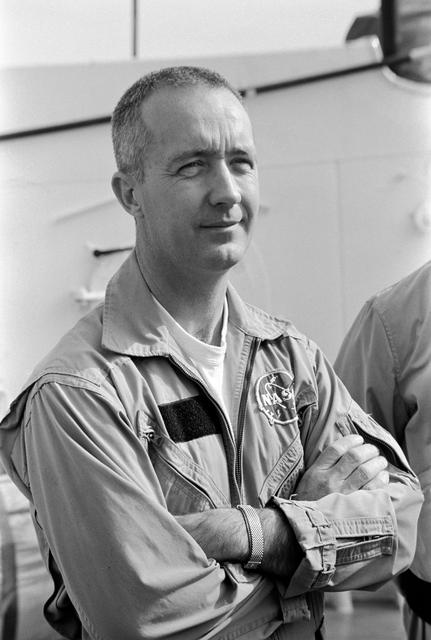
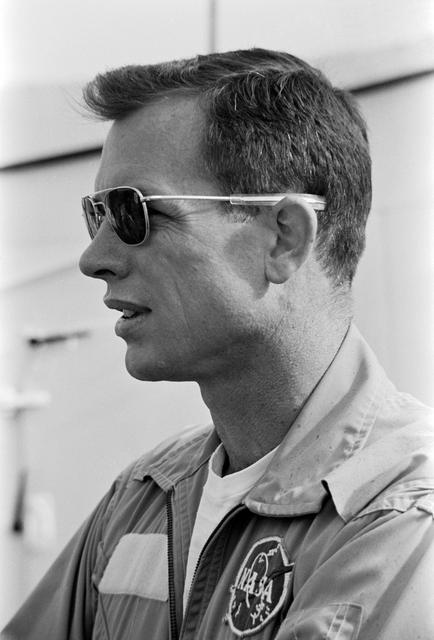
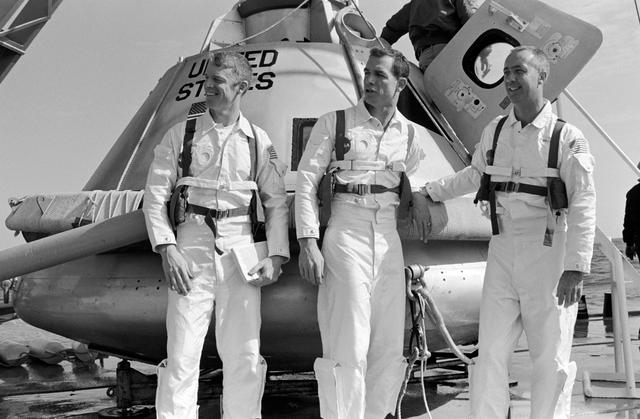
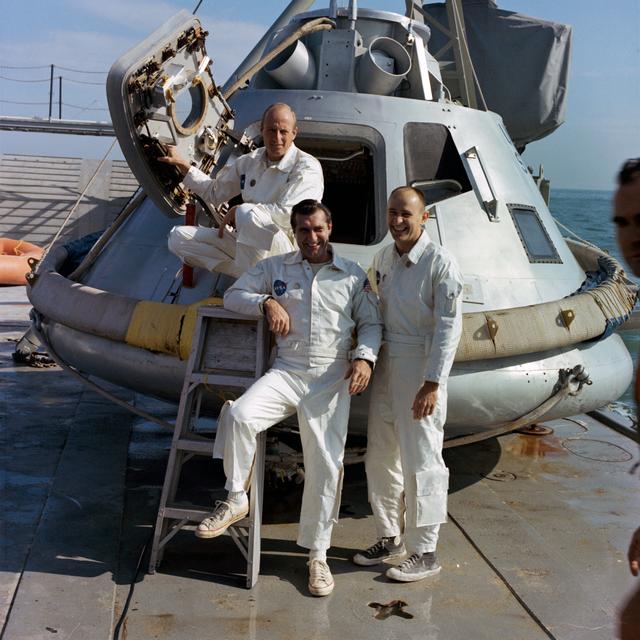
Apollo 9 was the first crewed test of the complete Apollo spacecraft — and, crucially, of the Lunar Module that would actually land on the Moon. Launched on 3 March 1969, James McDivitt, David Scott and Russell Schweickart spent ten days in Earth orbit putting the lander through its paces, safely close to home. For the first time a crewed Lunar Module flew free of the Command Module: McDivitt and Schweickart powered up the spidery craft they nicknamed 'Spider', undocked from the Command Module 'Gumdrop', and flew up to 180 kilometres away before rendezvousing and redocking — proving the lander could fly, separate and return, the manoeuvre on which every Moon landing would depend. Schweickart also stepped outside to test the Apollo spacesuit's self-contained life-support backpack, the system astronauts would wear on the lunar surface. Apollo 9 was not glamorous, but it was indispensable: it validated the one spacecraft that had never carried a crew, and that could be tested nowhere but in space.
- 1969Apollo 9 reaches orbitLaunch
A 10-day Earth-orbit test of the complete spacecraft, including the first crewed Lunar Module.
Schweickart steps outside to test the self-contained life-support backpack astronauts will wear on the Moon.
The crewed Lunar Module undocks and flies up to 180 km away before redocking — proving the lander can fly and return.
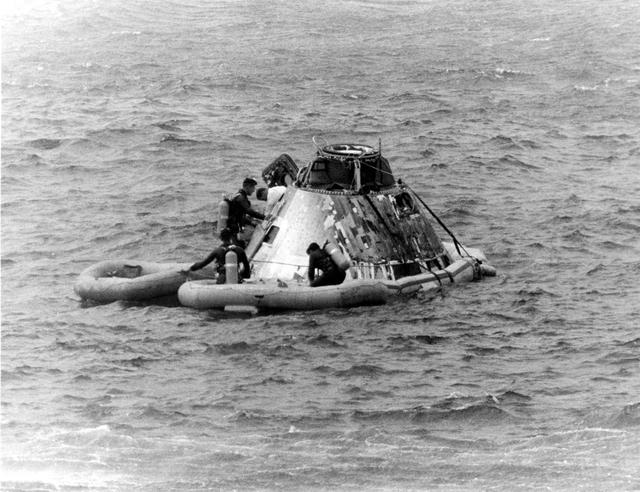
- 1969SplashdownMission end
Apollo 9 validates the lander in Earth orbit, the last test before flying it to the Moon.
Images

Images from open archives · credit shown per image