
MESSENGER
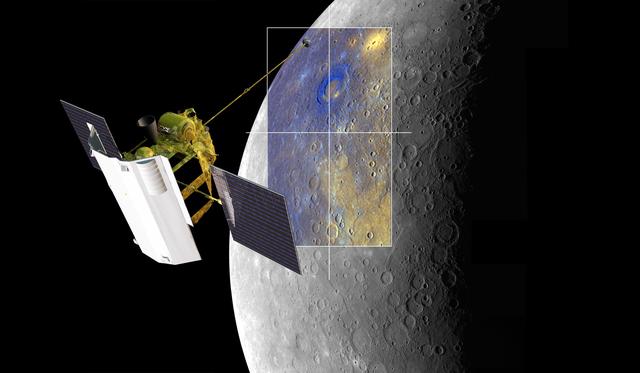
MESSENGER — first spacecraft to orbit Mercury (2011–2015), mapping the planet in full before impacting its surface.
Key facts
Mission & specifications
Mission
- Operator
- NASA
- Launched
- August 3, 2004
- Status
- Completed
Trajectory
- Speed rel. Mercury
- 2.32 km/s
- Computed from the cached state vector, relative to Mercury
- Distance from the Sun
- 0.44 AU
- Computed from the cached position
- Distance from Earth
- 1.06 AU
- Computed from cached positions
- Distance from Mercury
- 0.121 AU
- Computed from cached positions
Cost & funding
- Program cost
- $4.50 × 10⁸ USD
Mission
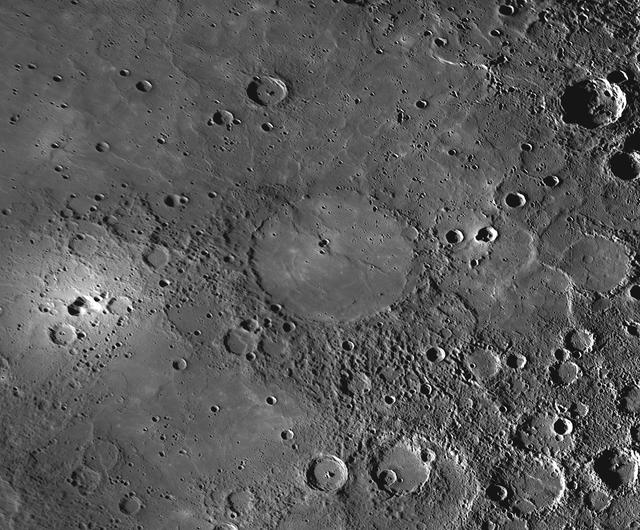
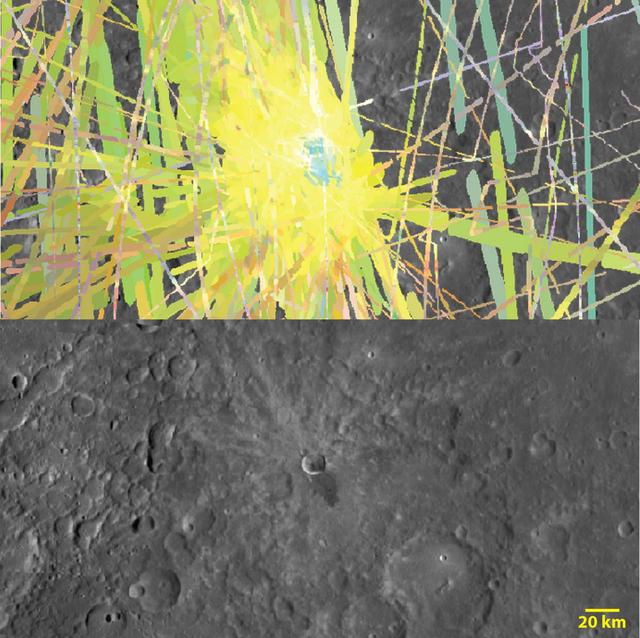
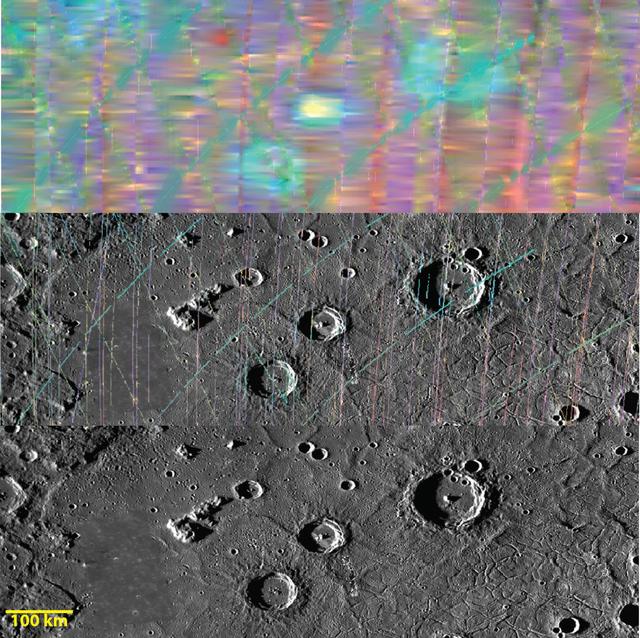
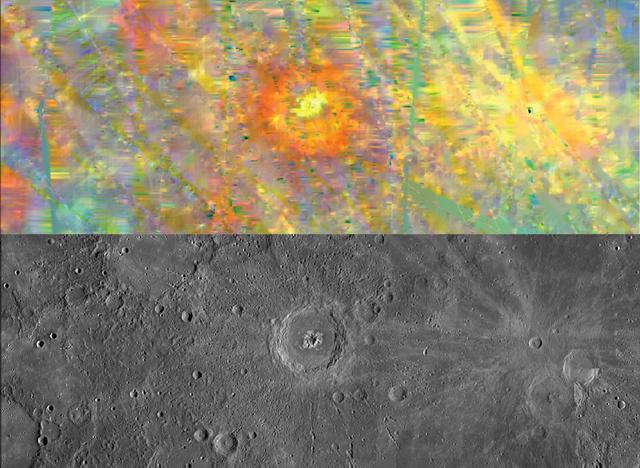
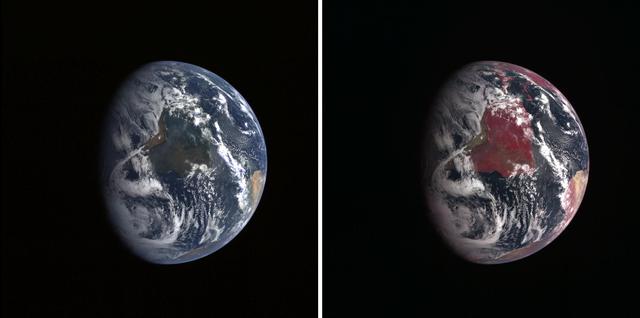
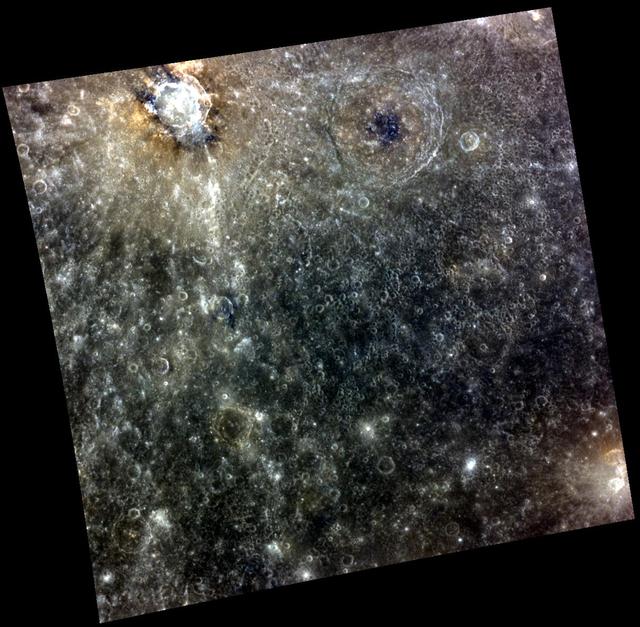
MESSENGER was the first spacecraft to orbit Mercury, and it finally gave us a complete picture of the Solar System's smallest, strangest planet. Reaching Mercury is deceptively hard — a craft falling toward the Sun gains enormous speed — so after launching on 3 August 2004, MESSENGER spent six and a half years taking a winding path, using one flyby of Earth, two of Venus and three of Mercury itself to shed energy and slow down. On 18 March 2011 it became the first probe ever to enter orbit around Mercury. Mariner 10 had glimpsed less than half the planet in the 1970s; MESSENGER mapped the whole of it. Its discoveries upended expectations. Despite surface temperatures that soar above 400 °C, it confirmed deposits of water ice hiding in the permanent shadows of polar craters, where sunlight never reaches. It found that Mercury's surface had been shaped by widespread ancient volcanism, that the planet has a surprisingly large iron core, and that it is unexpectedly rich in volatile elements, challenging theories of how it formed. After four years and thousands of orbits, its fuel exhausted, MESSENGER crashed into Mercury's surface on 30 April 2015, adding one more crater to the world it had mapped.
- 2004Launch toward MercuryLaunch
Sets out on a six-and-a-half-year path using repeated flybys to slow down.
The first of three flybys, imaging terrain Mariner 10 never saw.
Becomes the first spacecraft ever to orbit Mercury and begins mapping the whole planet.
Confirms water ice hiding in permanently shadowed polar craters.
Out of fuel, MESSENGER crashes onto the surface, adding a crater to the world it mapped.
Images
Images from open archives · credit shown per image