
Sun
The Sun is the star at the centre of the Solar System — a nearly perfect sphere of hot plasma that holds 99.86% of the system's mass and supplies, through nuclear fusion in its core, essentially all the energy that drives the planets, weather and life.
Key facts
Science
Physical
- Mass
- 1.99 × 10³⁰ kg · 1 M☉
- Radius
- 695,700 km · 109× wider than Earth
- Density
- 1,410 kg/m³ · 1.4× water
- Computed from mass and radius
- Spectral type
- G2V (yellow dwarf)
Rotation
- Equatorial period
- 25.0 days
- Note
- Differential rotation: ~25 days at the equator, ~35 days near the poles
Composition
- By mass
- ~73.5% hydrogen, 24.9% helium and 1.6% heavier elements, by mass
Magnetism & activity
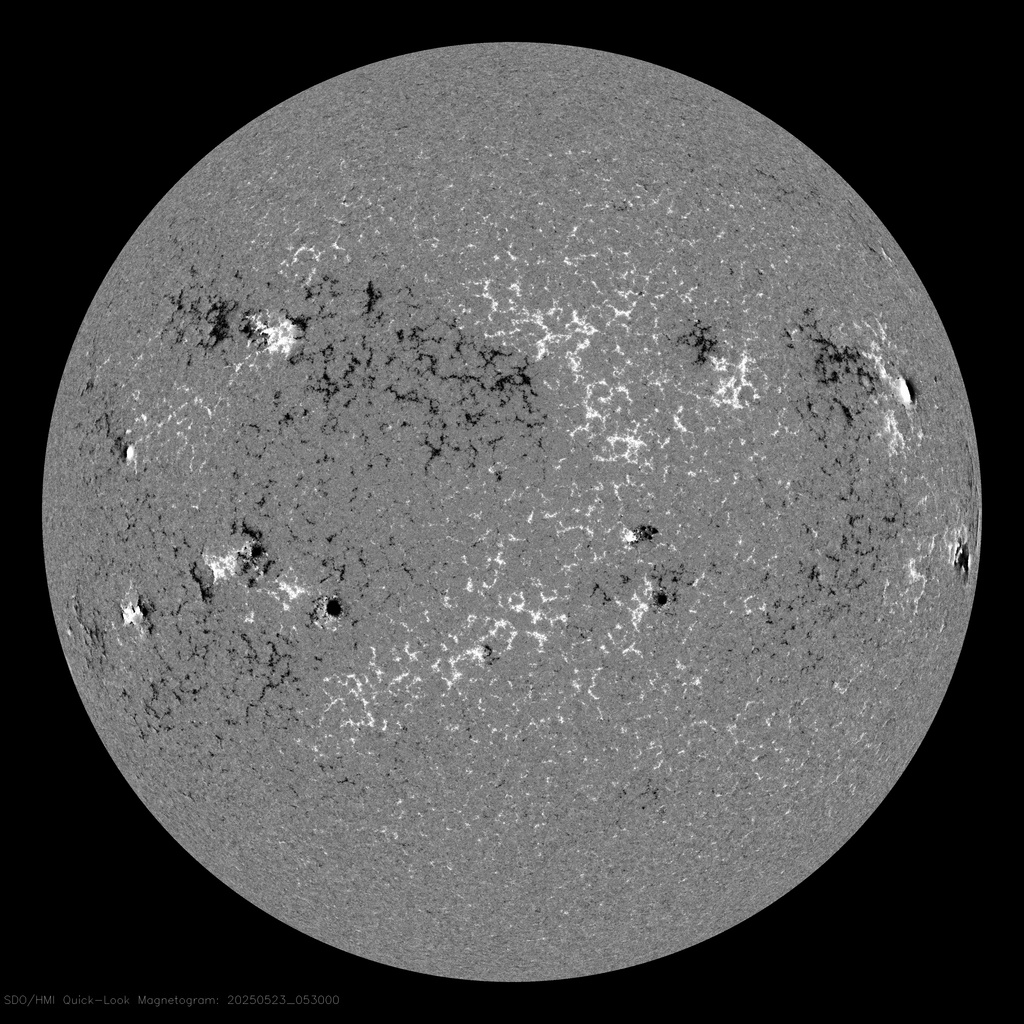
- Surface field
- 1 gauss
- Activity cycle
- 11 years
Temperature
- Surface
- 5,772 K (5,499 °C)
- Core
- 15,700,000 K (15,699,727 °C)
Radiation & temperature
- Luminosity
- 3.83 × 10²⁶ W · 1 L☉
- Absolute bolometric magnitude
- 4.74
- Surface temperature
- 5,772 K (5,499 °C)
- Peak wavelength
- 502 nm · green-yellow visible light
- Computed (Wien's law) from the surface temperature
- Surface magnetic field
- 100 µT
Discovery & history
- First known
- Known since antiquity
- Name
- Old English 'sunne'; Latin 'Sol', Greek 'Helios' — names as old as language itself.
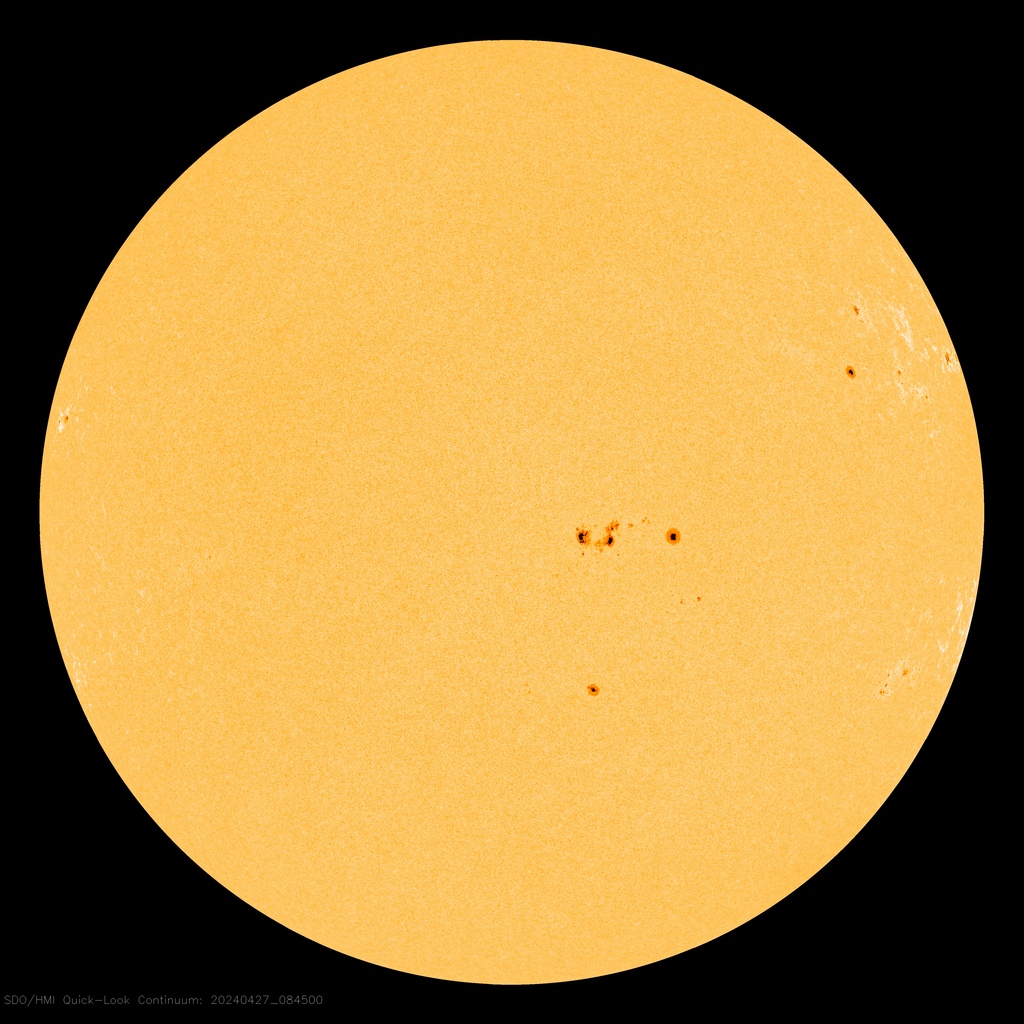
The Sun has been known and worshipped for as long as humans have existed; it needed no discovery. Ancient cultures tracked its yearly path to build calendars and aligned monuments such as Stonehenge to its solstices. Only in recent centuries did we learn what it is: Galileo's telescope revealed sunspots in 1610, spectroscopy in the 19th century showed it is made of hydrogen and helium, and in the 1920s–30s physicists realised it shines by nuclear fusion in its core.
First spacecraft to fly over the Sun's poles, sampling the solar wind out of the ecliptic plane.
Images

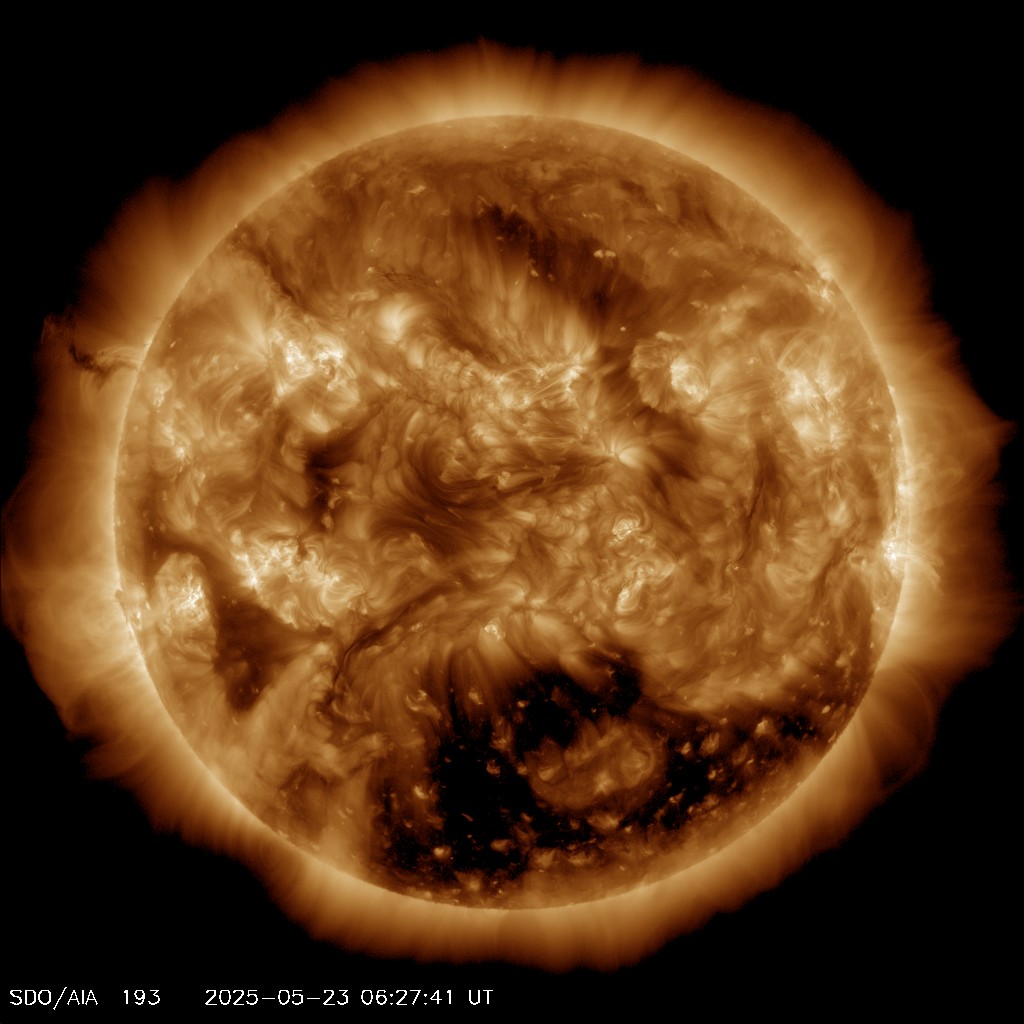
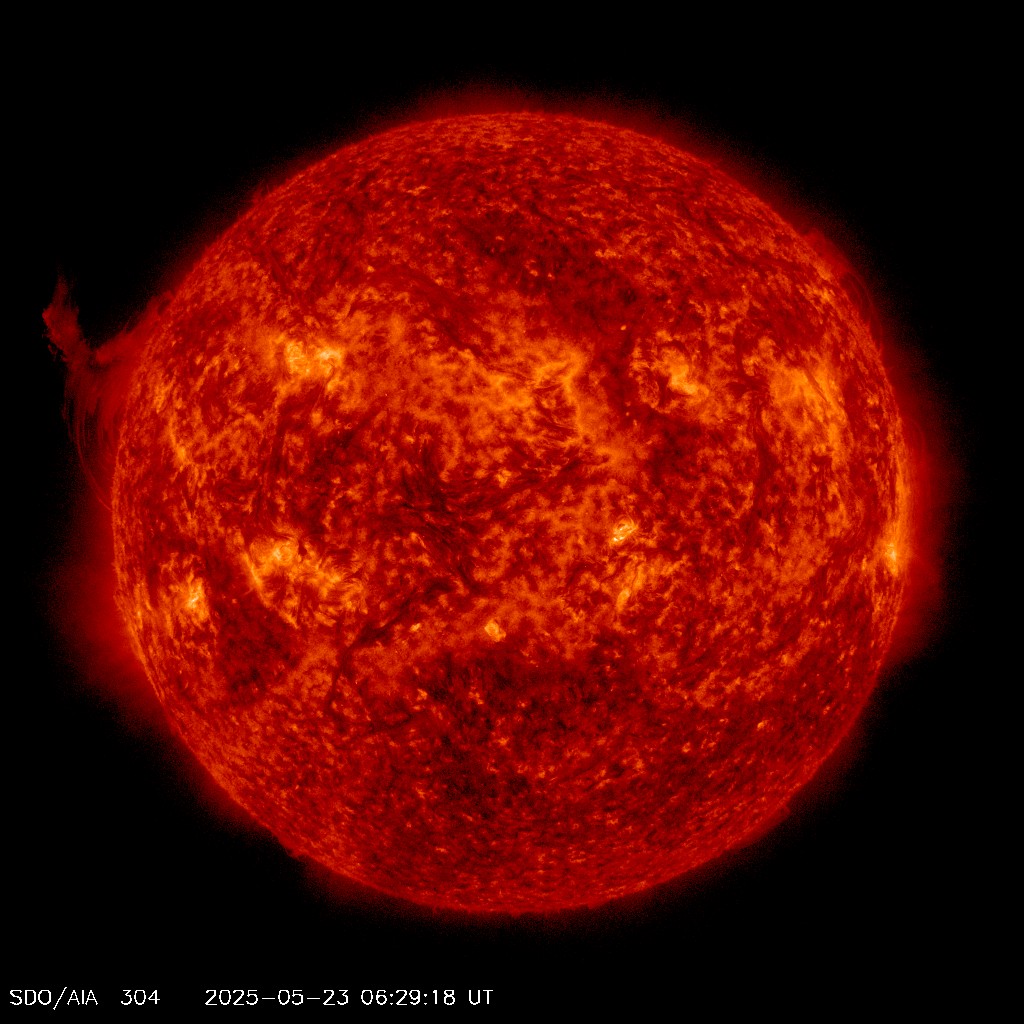
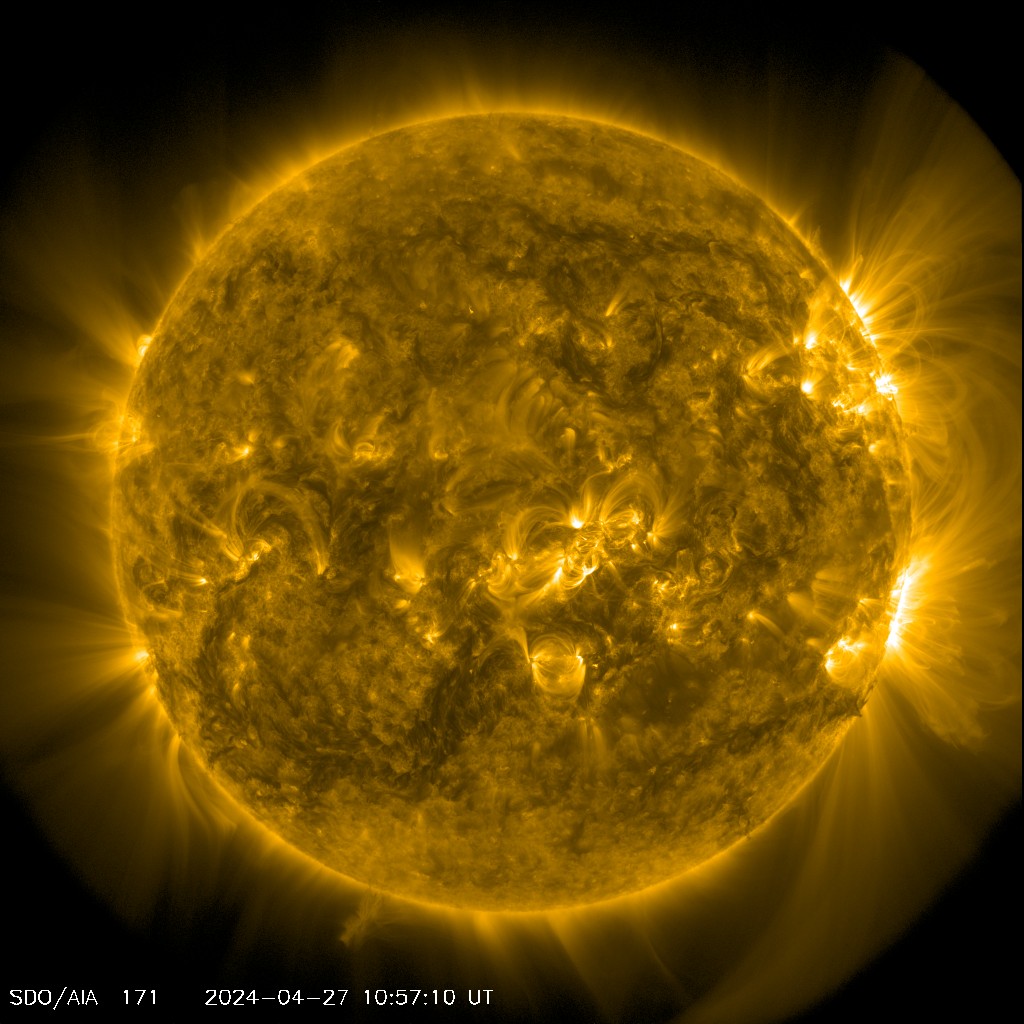
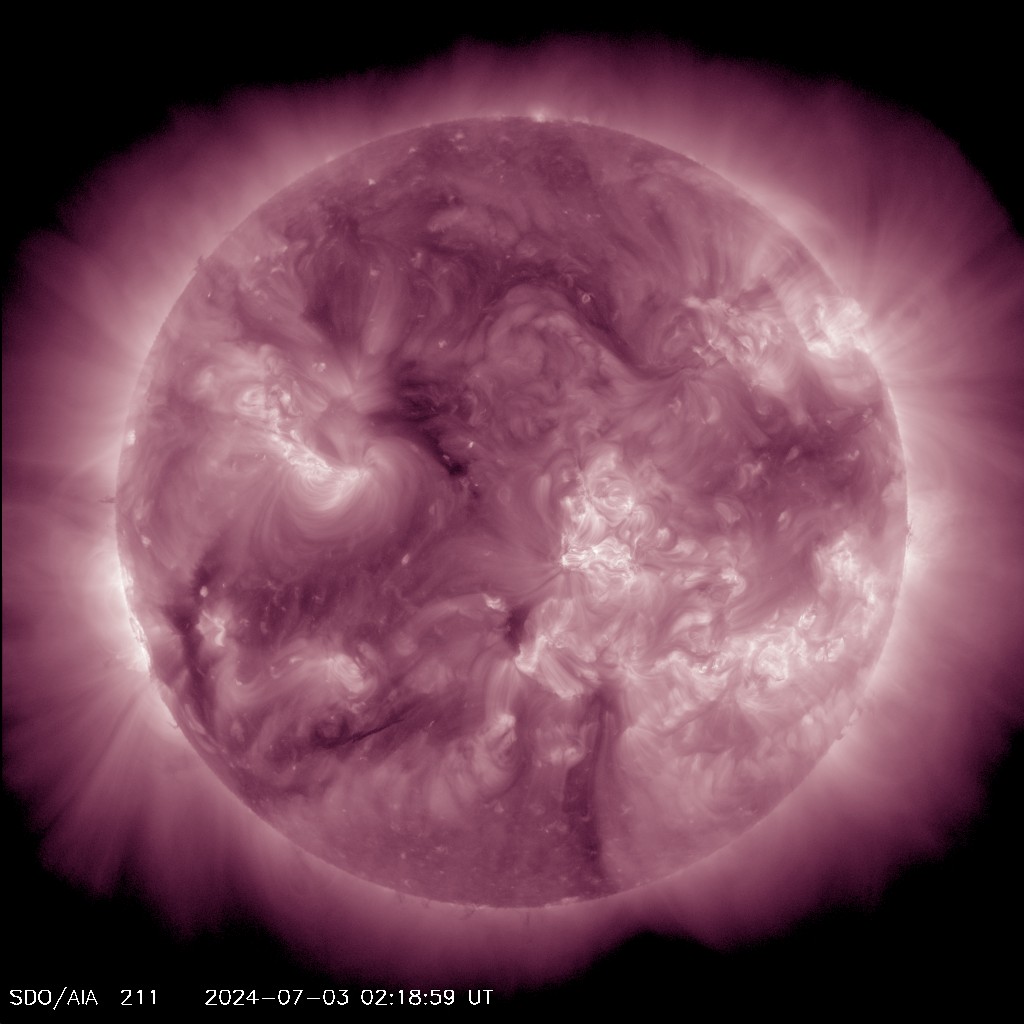
Images from open archives · credit shown per image