
Stardust
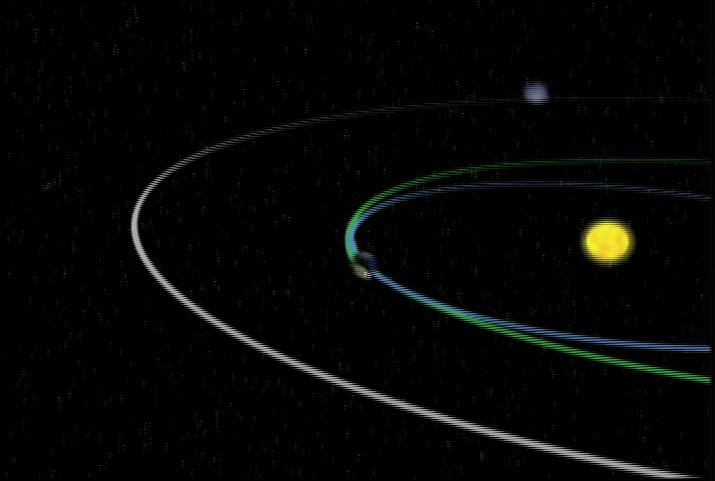
Stardust — flew through the coma of comet Wild 2 (2004) and returned its dust samples to Earth (2006); later visited comet Tempel 1.
Key facts
Mission & specifications
Mission
- Operator
- NASA
- Launched
- February 7, 1999
- Status
- Completed
Trajectory
- Current speed
- 21 km/s
- Computed from the cached state vector
- Distance from the Sun
- 1.62 AU
- Computed from the cached position
- Distance from Earth
- 2.12 AU
- Computed from cached positions
- Distance from Mercury
- 1.36 AU
- Computed from cached positions
Cost & funding
- Program cost
- $3.00 × 10⁸ USD
Mission
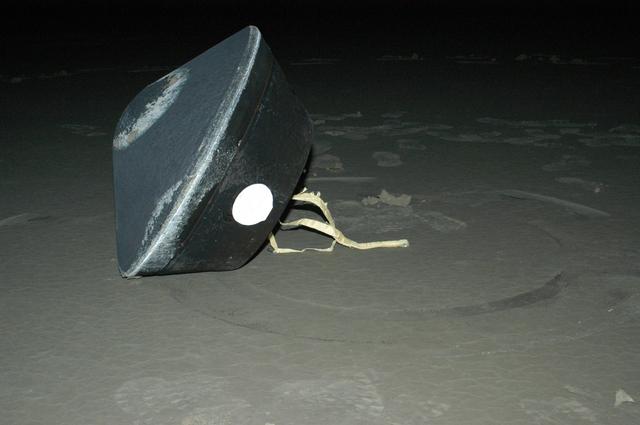
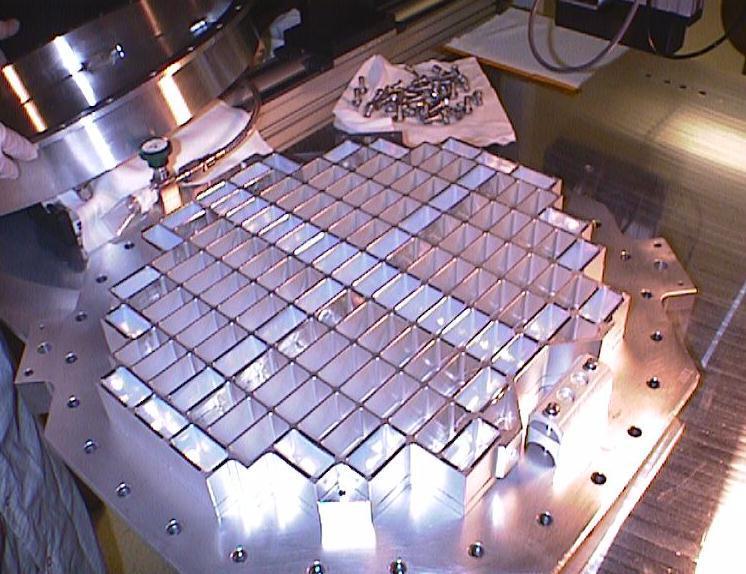
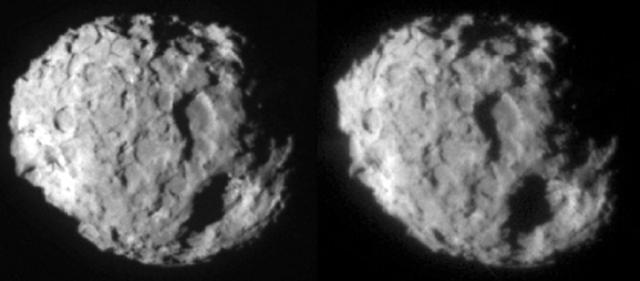
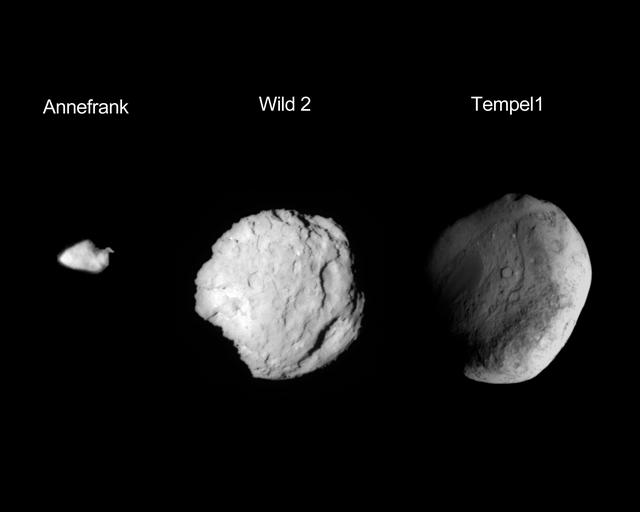
Stardust was the first mission to bring samples of a comet back to Earth, and the first to return solid material from beyond the Moon. Launched on 7 February 1999, its goal was to fly through the cloud of dust and gas surrounding a comet and physically catch some of it. To do that it carried a tennis-racket-shaped collector filled with aerogel, a wispy, ultralight glass foam that could trap tiny grains travelling at thousands of kilometres per hour without burning or shattering them. On 2 January 2004 Stardust swept through the coma of comet Wild 2, snaring thousands of particles while photographing the comet's pitted, surprisingly rugged nucleus. Two years later, on 15 January 2006, it released a capsule that streaked back through the atmosphere and parachuted down in the Utah desert. The captured grains held a surprise: alongside the expected ices were minerals that could only have formed at very high temperatures, close to the young Sun, implying that material had been transported across the entire early Solar System. The samples even contained glycine, an amino acid. Still healthy, Stardust was sent on an extended mission and flew past a second comet, Tempel 1, in 2011.
- 1999Launch toward comet Wild 2Launch
Sets out to catch comet dust in aerogel and return it to Earth.
A rehearsal for the Wild 2 encounter: over 70 images of an angular, stony asteroid.
Flies through the comet's cloud of gas and dust, trapping thousands of grains.
The capsule parachutes into Utah — the first comet dust, later found to contain glycine.
Still healthy, Stardust flies past a second comet, imaging the crater Deep Impact had made.
Images



Images from open archives · credit shown per image