
Mariner 4
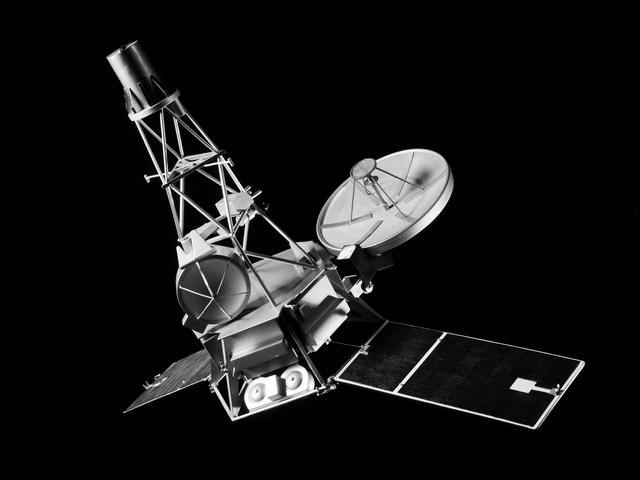
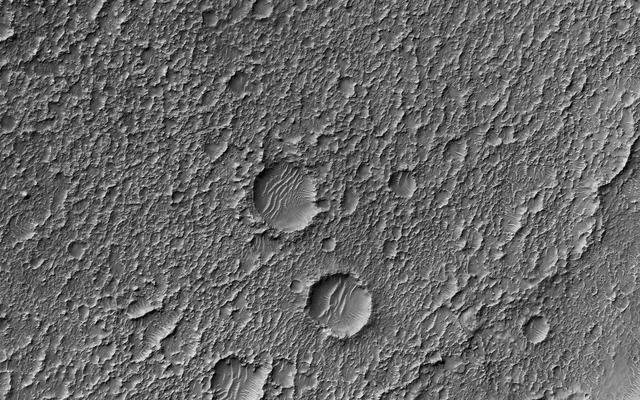
Mariner 4 — returned the first close-up images of Mars during its 1965 flyby, revealing a cratered, Moon-like surface.
Key facts
Mission & specifications
Mission
- Operator
- NASA
- Launched
- November 28, 1964
- Status
- Completed
Trajectory
- Distance from the Sun
- 1.57 AU
- Computed from the cached position
- Distance from Earth
- 1.55 AU
- Computed from cached positions
- Distance from Mars
- 3,020,254 km
- Computed from cached positions
Mission
Mariner 4 gave humanity its first close-up look at another planet. Launched on 28 November 1964, the NASA probe cruised for nearly eight months before flying past Mars on 15 July 1965 at about 9,850 km. In roughly 25 minutes it captured 21 photographs — the first ever taken of a planet from nearby — and stored them on a four-track tape recorder to be played back slowly to Earth across more than 200 million km. The images stunned scientists: instead of the canals and vegetation some had imagined, Mars appeared as a cratered, Moon-like, apparently lifeless desert. Mariner 4 also measured a surprisingly thin atmosphere — less than one percent of Earth's surface pressure — and found no significant magnetic field or radiation belts, implying a harsh surface bathed in radiation. The findings reshaped expectations for Mars and dimmed hopes of finding life, a view that later, more capable missions would complicate. Mariner 4 kept returning data on the interplanetary environment until contact was lost in December 1967. As both a technical and scientific milestone, it proved spacecraft could reach, survive and return useful data from deep space, opening the era of planetary exploration.
- 1964Launch from Cape KennedyLaunch
An Atlas-Agena D sends Mariner 4 toward Mars on a near-eight-month cruise.
Closest approach to Mars; 21 images are captured and stored on tape for slow playback to Earth.
- 1965First images of another planetMilestone
Played back over the following days, the photos reveal a cratered, Moon-like, apparently dead surface.
- 1967End of missionMission end
Contact is lost after Mariner 4 returns interplanetary-environment data far beyond its primary goal.
Images

Images from open archives · credit shown per image