
Apollo 16
Apollo 16 — the first landing in the lunar highlands (April 1972), exploring the Descartes region with the second Lunar Roving Vehicle.
Key facts
Mission & specifications
Mission
- Operator
- NASA
- Launched
- April 16, 1972
- Status
- Completed
Trajectory
- Distance from the Sun
- 1.01 AU
- Computed from the cached position
- Distance from Earth
- 0.42 AU
- Computed from cached positions
- Distance from Venus
- 0.424 AU
- Computed from cached positions
Mission
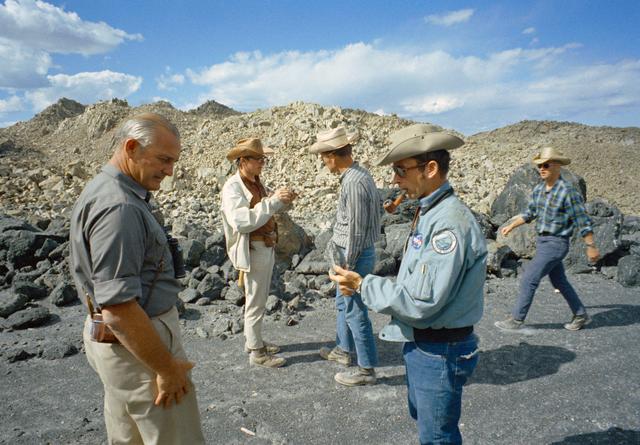
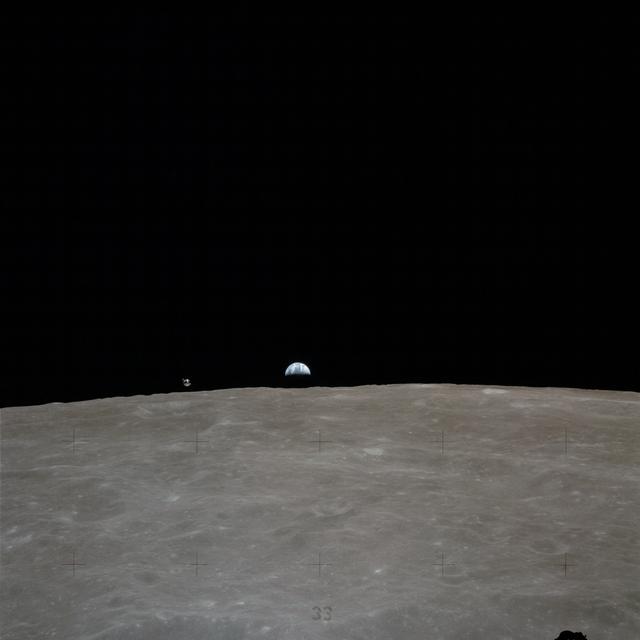
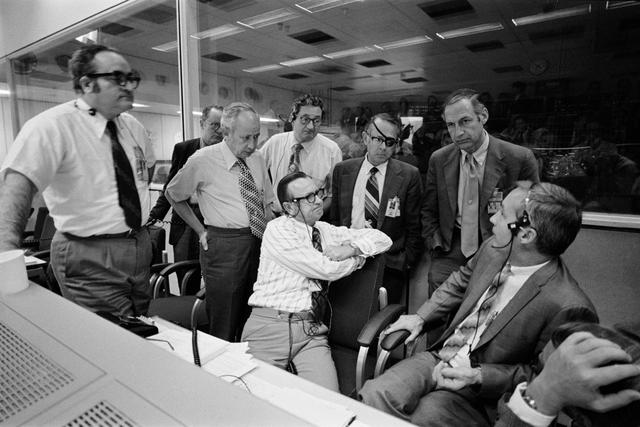
Apollo 16 was the first expedition to the Moon's rugged highlands, the bright ancient terrain that covers much of the lunar surface. Launched on 16 April 1972, John Young, Thomas Mattingly and Charles Duke flew to the Descartes region, chosen in the belief that it held volcanic rocks. Young and Duke landed after an anxious delay — a problem with the Command Module's engine in lunar orbit nearly cancelled the landing before controllers cleared it — and spent three days exploring with the second lunar rover, driving among rolling hills and large blocky craters. The rocks they gathered held a surprise: the highlands were not volcanic at all but breccias, shattered and welded together by the giant impacts that battered the early Moon, rewriting scientists' picture of how the highlands formed. Young, on his fourth spaceflight, also drove the rover flat out in a 'Grand Prix' test for the cameras, while Mattingly — who had been bumped from Apollo 13 and so missed its ordeal — orbited above running the science instruments. Apollo 16 returned nearly 96 kilograms of the Moon's oldest crust.
- 1972Apollo 16 launchesLaunch
Young, Mattingly and Duke head for the Descartes highlands.
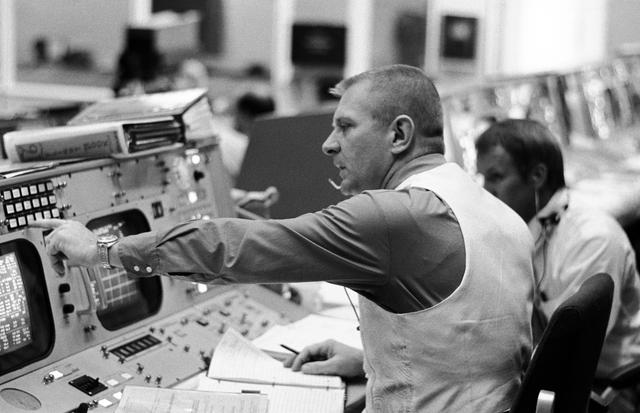
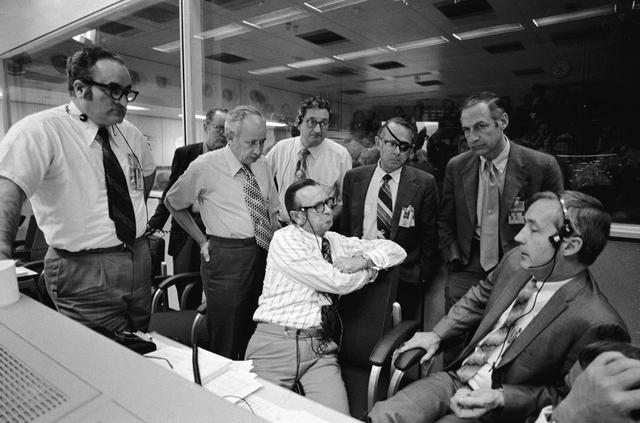
After an engine scare nearly cancels the landing, Young and Duke touch down at Descartes.
The rocks turn out to be breccias welded by ancient impacts, not the expected volcanics.
- 1972SplashdownMission end
Apollo 16 returns nearly 96 kg of the Moon's oldest crust.
Images


Images from open archives · credit shown per image