
Phoenix
Phoenix — landed in the Martian arctic (2008) and was the first to touch and confirm water ice in the soil.
Key facts
Mission & specifications
Mission
- Operator
- NASA
- Launched
- August 4, 2007
- Status
- Completed
Trajectory
- Distance from the Sun
- 1.57 AU
- Computed from the cached position
- Distance from Earth
- 1.48 AU
- Computed from cached positions
- Distance from Mars
- 11,854,350 km
- Computed from cached positions
Mission
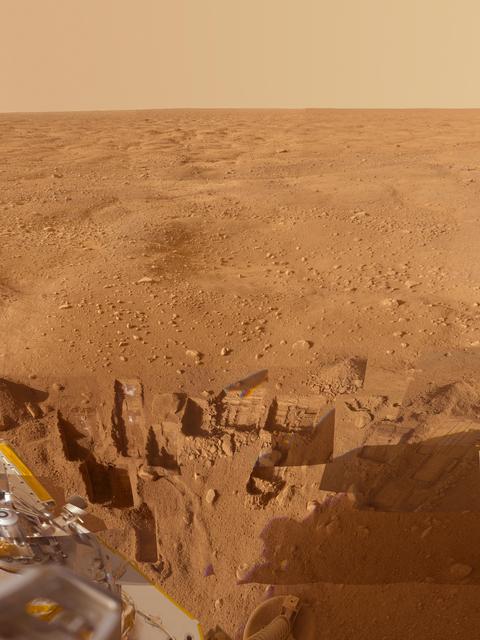
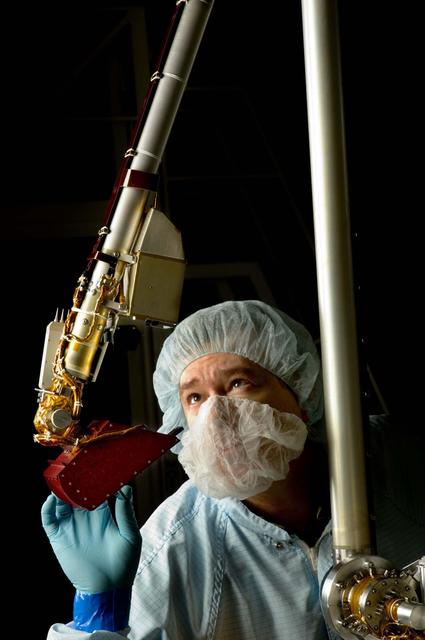
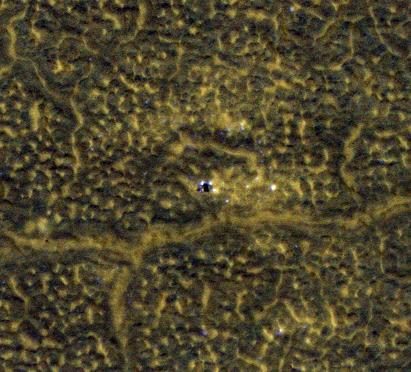
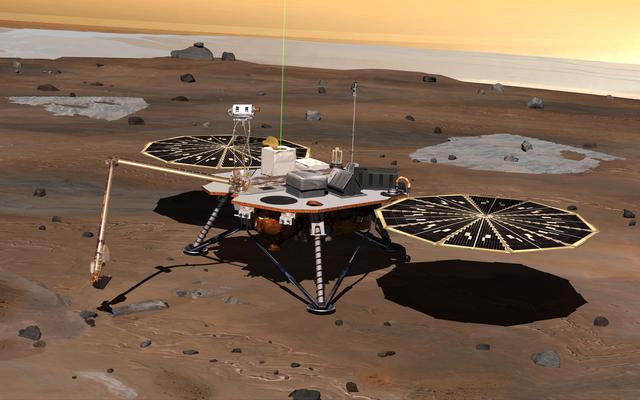
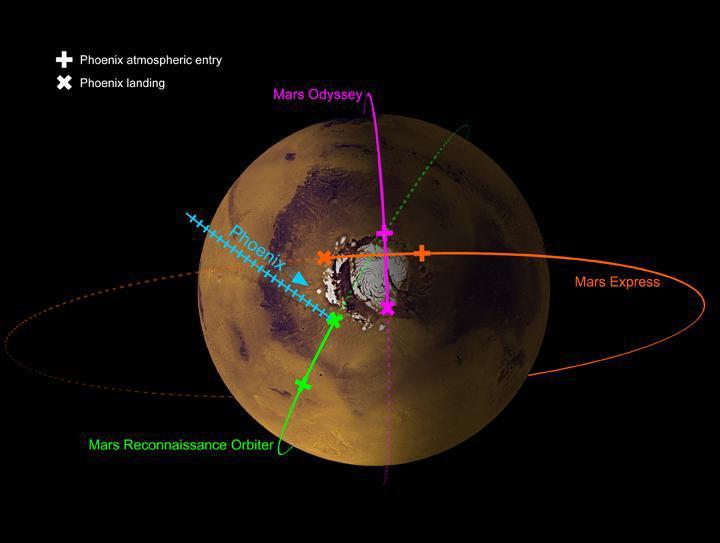
Phoenix was sent to dig for ice at the top of the world — the northern arctic plains of Mars. Launched on 4 August 2007, it touched down on 25 May 2008 using a parachute and braking rockets, the first successful powered landing on Mars since the Vikings, and the first ever in the planet's polar region. Orbiters had detected hydrogen, and therefore probably buried ice, just beneath the surface here; Phoenix carried a robotic arm to find out. When it scraped away the reddish topsoil, it exposed a hard, bright white layer — and over the following days, watching that layer slowly vanish as the freshly exposed material sublimated into the thin air, scientists confirmed it was water ice, lying only centimetres down. Its onboard ovens and chemistry lab baked and dissolved soil samples, discovering perchlorate salts, and its laser detected snow falling from clouds overhead. Phoenix was never designed to survive the brutal arctic winter; as the Sun sank and frost crept over its solar panels, its power faded, and the last faint signal arrived on 2 November 2008. In about five months it had confirmed, by touching it directly, that water ice is locked just below the Martian surface.
- 2007Launch toward the Martian arcticLaunch
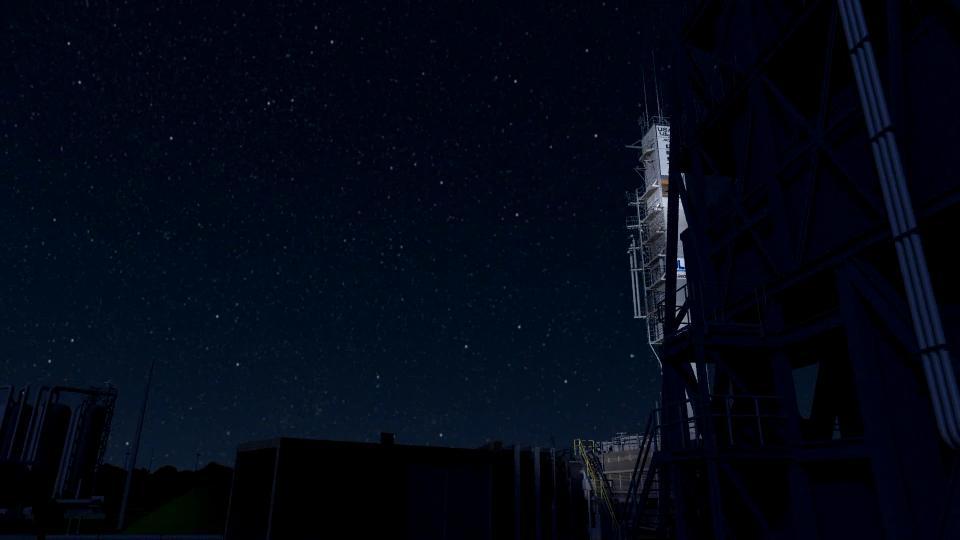
Phoenix sets out to dig for ice detected beneath the northern plains.
The first rocket-braked Mars landing since Viking, and the first in the polar region.
- 2008Water ice confirmedMilestone
Bright material exposed by the arm sublimates away, proving water ice lies just below the soil.
- 2008Perchlorate and falling snowMilestone
The chemistry lab finds perchlorate salts; a laser detects snow falling from the clouds.
- 2008Last signal as winter closes inMission end
Frost and fading sunlight end the mission after about five months.
Images
Images from open archives · credit shown per image