
Apollo-Soyuz
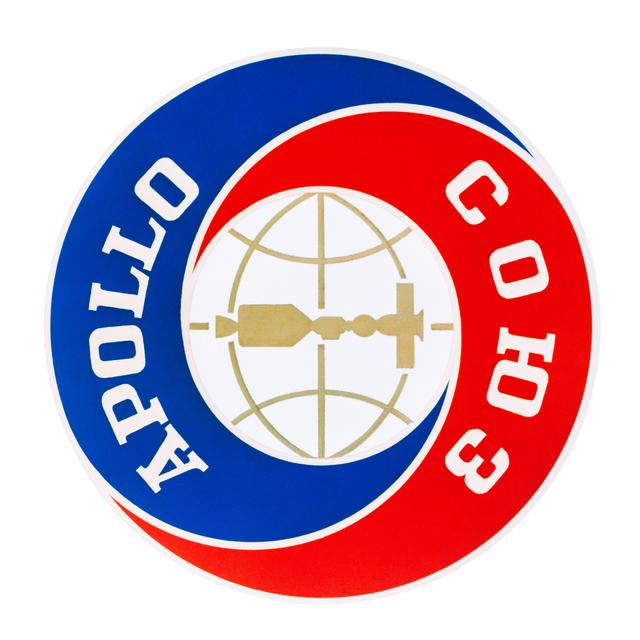
Apollo-Soyuz — the first international crewed docking (July 1975), joining a US Apollo and a Soviet Soyuz in orbit at the height of detente.
Key facts
Mission & specifications
Mission
- Operator
- NASA / USSR
- Launched
- July 15, 1975
- Status
- Completed
Trajectory
- Distance from the Sun
- 0.998 AU
- Computed from the cached position
- Distance from Earth
- 9,656,360 km
- Computed from cached positions
- Distance from Venus
- 0.276 AU
- Computed from cached positions
Mission
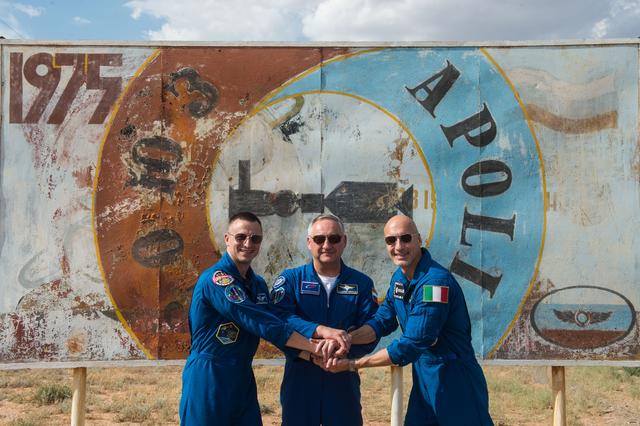
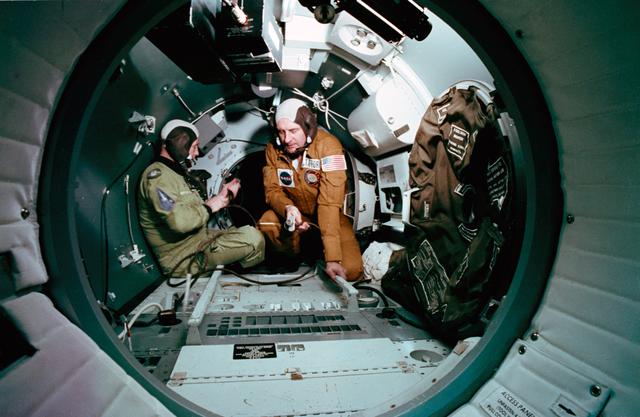
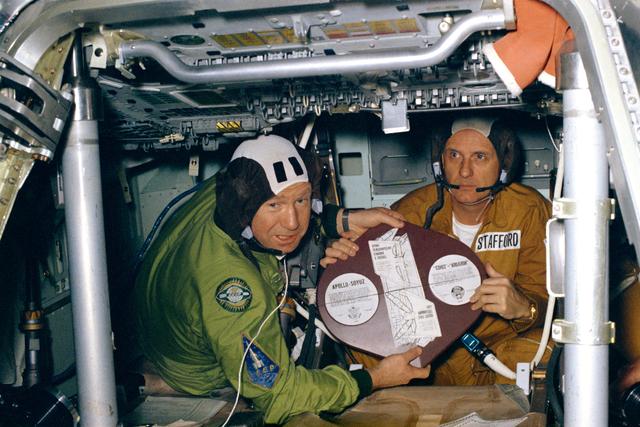
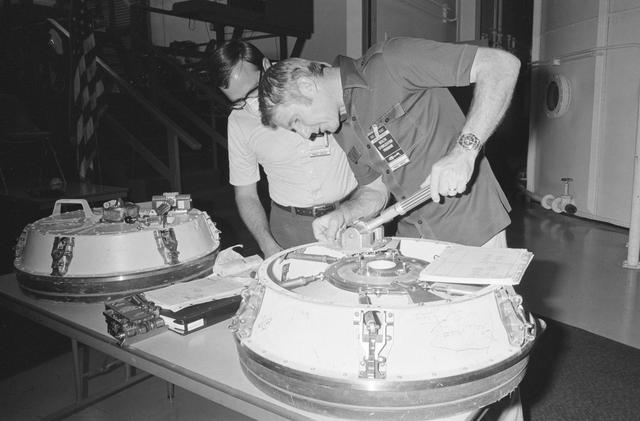
Apollo-Soyuz was a handshake in orbit that thawed the Cold War, if only for a moment. In July 1975, at the height of detente, the United States and the Soviet Union — rivals who had raced each other to the Moon — flew a joint mission in which their spacecraft met and docked high above the Earth. An American Apollo, the last to fly, carried Tom Stafford, Vance Brand and Deke Slayton; a Soviet Soyuz carried Alexei Leonov, the first man to walk in space, and Valery Kubasov. The two craft were incompatible — they used different cabin atmospheres and had no common docking system — so engineers built a special docking module to bridge them, an airlock that let the crews pass between the American and Soviet ships. On 17 July 1975 the hatches opened and Stafford and Leonov shook hands in space, a gesture broadcast around the world as a symbol that the two superpowers could cooperate. For two days the crews visited each other's spacecraft, shared meals, exchanged gifts and ran experiments together. Apollo-Soyuz ended the first space race and planted the seed of the international cooperation that would one day build the Shuttle-Mir programme and the International Space Station.
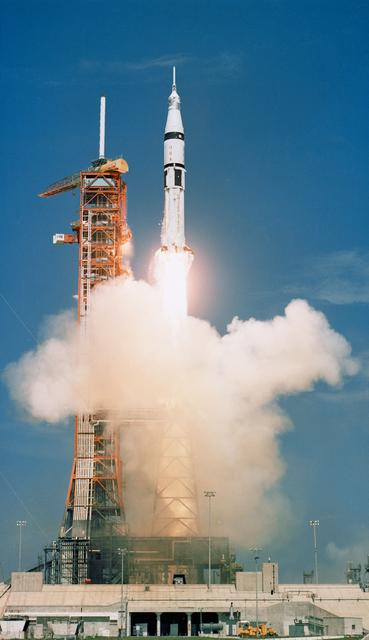
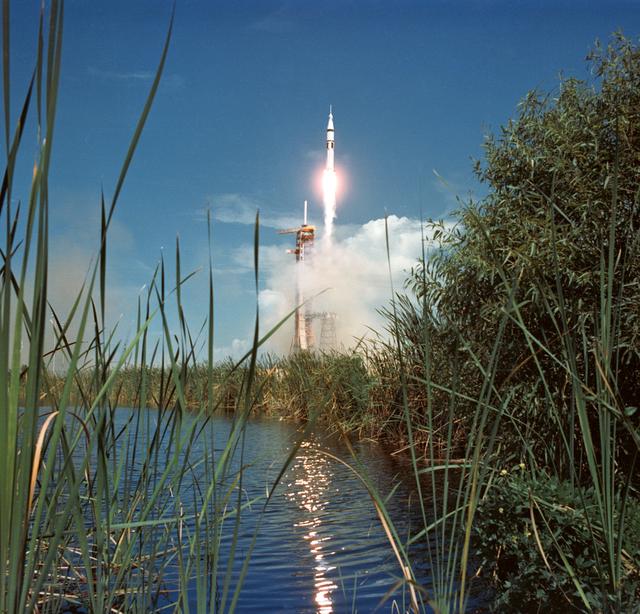
- 1975Two nations launchLaunch
An American Apollo and a Soviet Soyuz launch within hours, heading for a rendezvous.
Stafford and Leonov shake hands through the docking module — Cold War rivals meeting in orbit.
- 1975SplashdownMission end
The last Apollo returns; the joint flight ends the first space race.
Images

Images from open archives · credit shown per image