
Faith 7
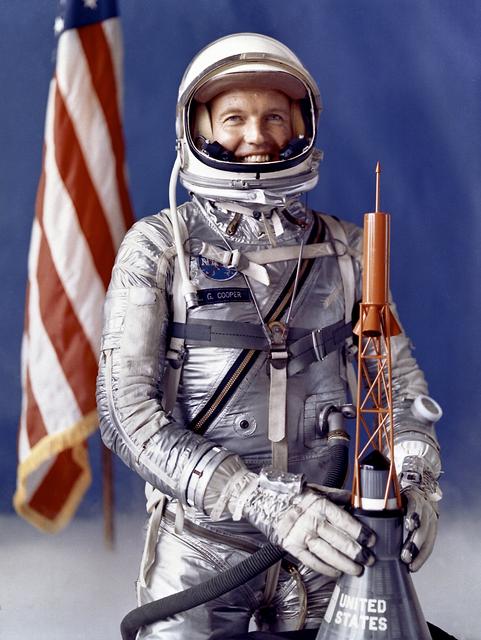
Faith 7 — Gordon Cooper's 22-orbit, day-long flight (May 1963), the final and longest Mercury mission. When the automatic control system failed, Cooper flew a manual re-entry by hand and splashed down on target.
Key facts
Mission & specifications
Mission
- Operator
- NASA
- Launched
- May 15, 1963
- Status
- Completed
Trajectory
- Distance from the Sun
- 0.996 AU
- Computed from the cached position
- Distance from Earth
- 956,810 km
- Computed from cached positions
- Distance from Venus
- 0.277 AU
- Computed from cached positions
Mission
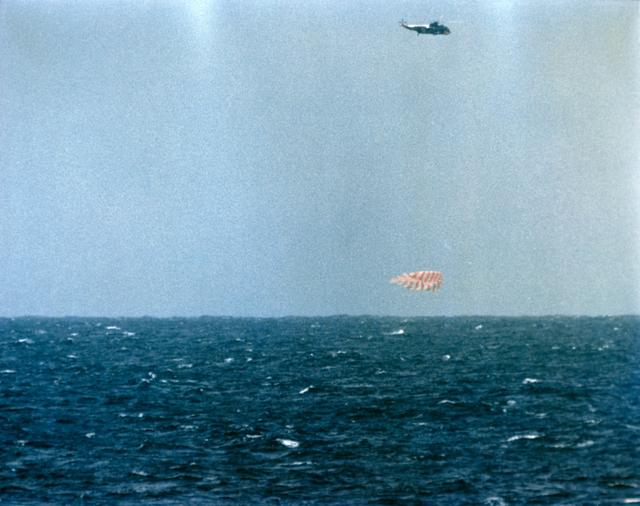
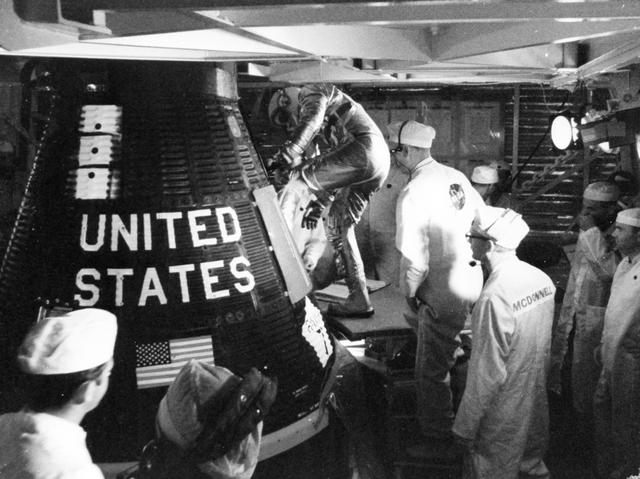
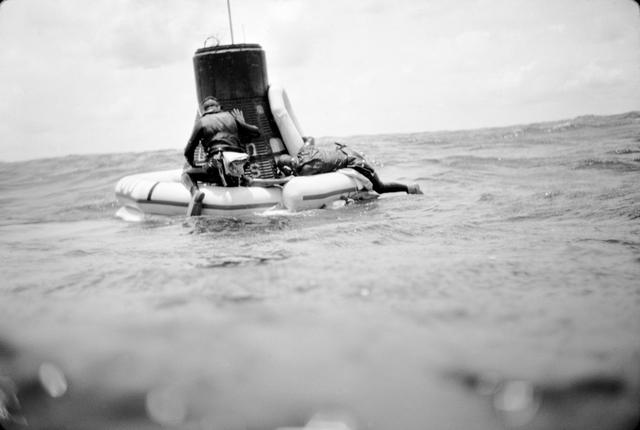
Faith 7 closed Project Mercury with its most ambitious flight. On 15 May 1963 Gordon Cooper lifted off for a mission measured not in orbits but in a full day and night in space — 22 orbits over 34 hours, far longer than any American had flown. Cooper carried out a full slate of experiments, deployed a flashing beacon satellite, and became the first American to sleep in orbit, dozing through several passes around the planet. Near the end, the flight became a test of the pilot rather than the machine: the automatic control system failed, then the electrical system began to die, leaving Cooper without automatic stabilisation or instruments for re-entry. Drawing reference lines on his window and firing the retrorockets by hand on a count from the ground, he flew a manual re-entry and splashed down closer to the recovery ship than any Mercury flight before it — a display of piloting that became Mercury's triumphant last act.
- 1963Faith 7 launchesLaunch
Gordon Cooper begins Mercury's last and longest flight — a full day and 22 orbits.
- 1963First American to sleep in orbitMilestone
Cooper works a full day of experiments and becomes the first American to sleep in space.
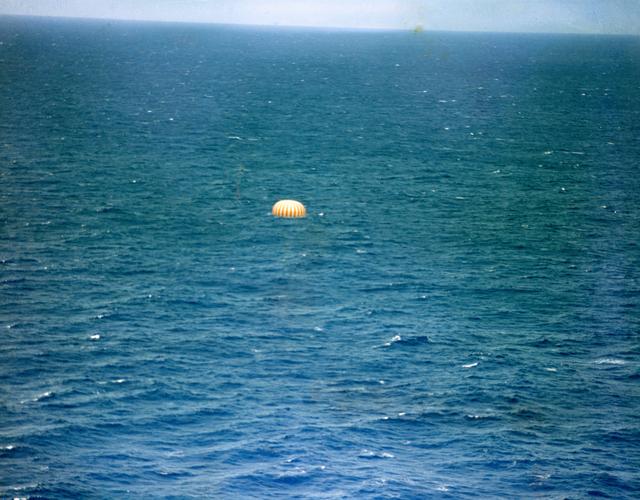
The automatic and electrical systems fail; Cooper flies re-entry by hand and lands on target.
- 1963Splashdown — Mercury completeMission end
Project Mercury closes with its most precise landing yet, recovered by USS Kearsarge.
Images

Images from open archives · credit shown per image