
Fermi Gamma-ray Space Telescope
Fermi — NASA's gamma-ray observatory (since 2008), mapping the most energetic phenomena in the universe, from pulsars to gamma-ray bursts, across the whole sky.
Key facts
Mission & specifications
Mission
- Operator
- NASA
- Launched
- June 11, 2008
- Status
- Active
Trajectory
- Current speed
- 7.62 km/s
- Computed from the cached state vector
- Distance from the Sun
- 0.997 AU
- Computed from the cached position
- Distance from Earth
- 2,546,748 km
- Computed from cached positions
- Distance from Venus
- 0.277 AU
- Computed from cached positions
Mission
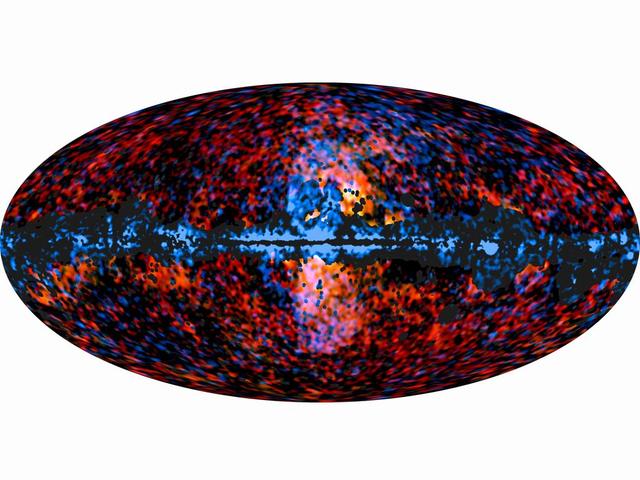
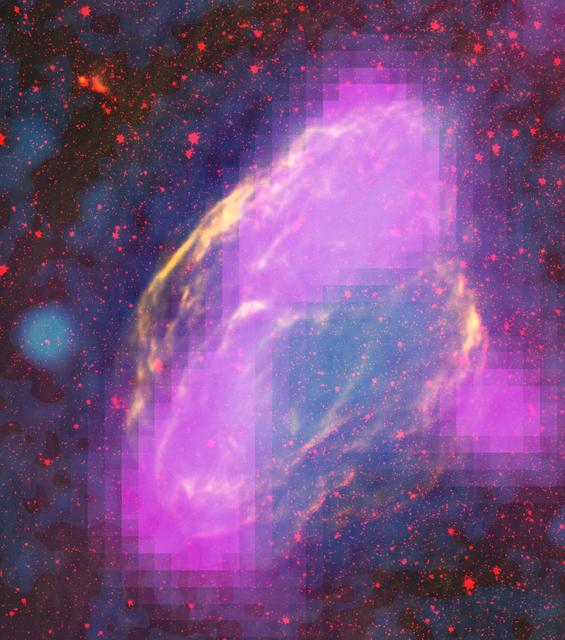
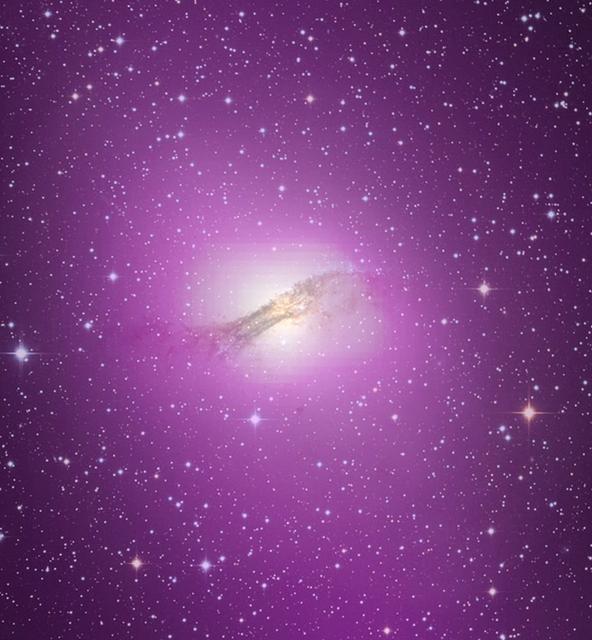
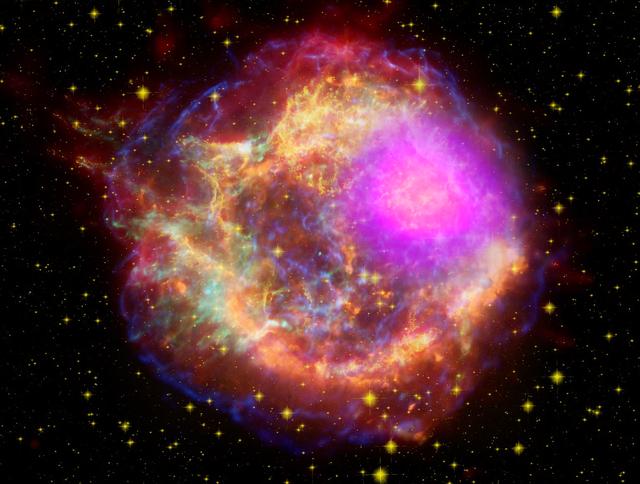
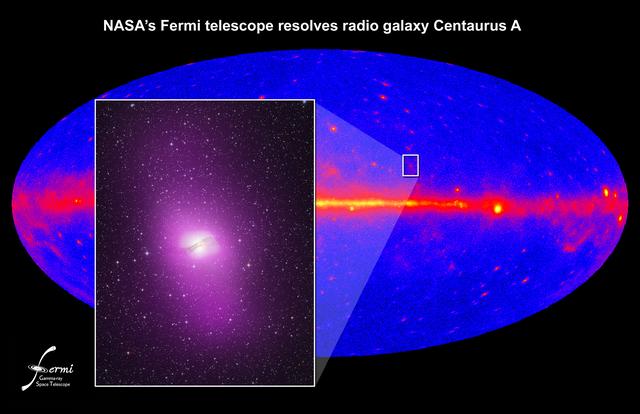
The Fermi Gamma-ray Space Telescope watches the universe in its most energetic light of all — gamma rays, born in the most extreme environments that exist. Launched in 2008 and named for the physicist Enrico Fermi, it sweeps the entire sky every few hours, building an ever-deepening map of the high-energy cosmos. Its main instrument doesn't focus light like an ordinary telescope; gamma rays are too energetic for that. Instead it detects them by the shower of particles they produce on striking the detector, reconstructing where each one came from — which lets Fermi survey the whole sky at once rather than staring at a single point. In doing so it has transformed gamma-ray astronomy. Fermi has catalogued thousands of sources — spinning neutron stars called pulsars, the blazing cores of distant galaxies powered by giant black holes, and the remnants of exploded stars. It routinely catches gamma-ray bursts, the brief, titanic flashes that mark the birth of black holes, and it discovered enormous bubbles of high-energy gas billowing tens of thousands of light-years above and below the centre of our own Milky Way — vast structures, now called the Fermi Bubbles, that no one had known were there.
NASA's gamma-ray observatory reaches orbit.
- 2009Surveying the gamma-ray skyMilestone
Begins mapping thousands of high-energy sources across the whole sky.
- 2010The Fermi BubblesMilestone
Discovers giant bubbles of energetic gas above and below the Milky Way's centre.
Images


Images from open archives · credit shown per image