
Gemini 12
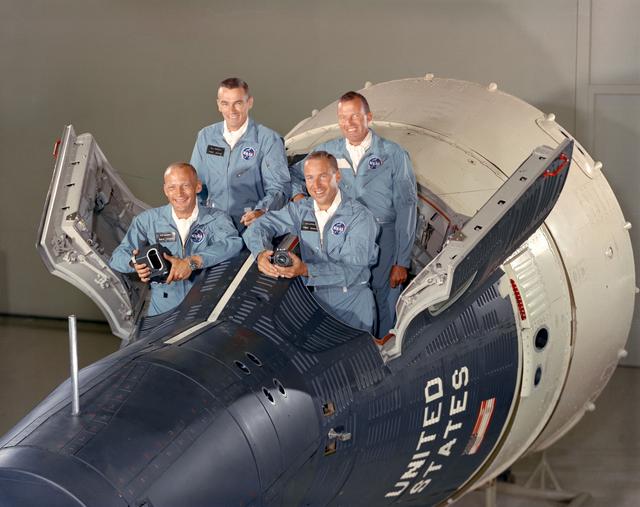
Gemini 12 — Jim Lovell and Buzz Aldrin (November 1966) closed the program by mastering the spacewalk: Aldrin worked outside for over five hours across three EVAs, proving the techniques Apollo would need.
Key facts
Mission & specifications
Mission
- Operator
- NASA
- Launched
- November 11, 1966
- Status
- Completed
Trajectory
- Distance from the Sun
- 0.997 AU
- Computed from the cached position
- Distance from Earth
- 809,604 km
- Computed from cached positions
- Distance from Venus
- 0.279 AU
- Computed from cached positions
Mission
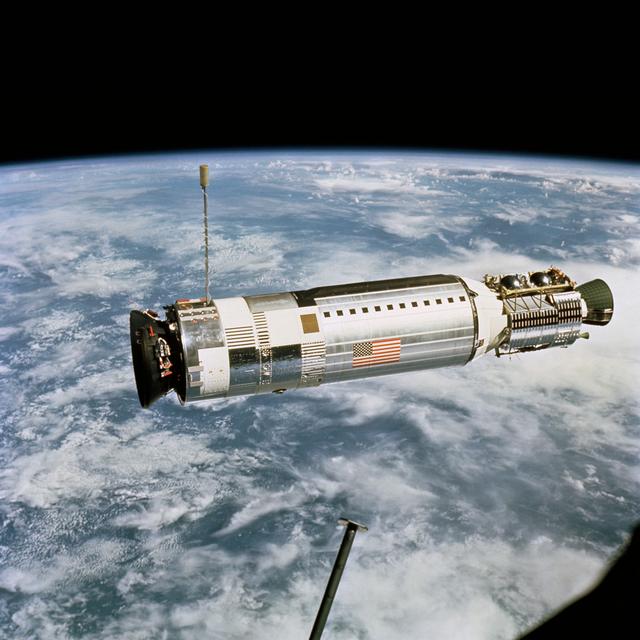
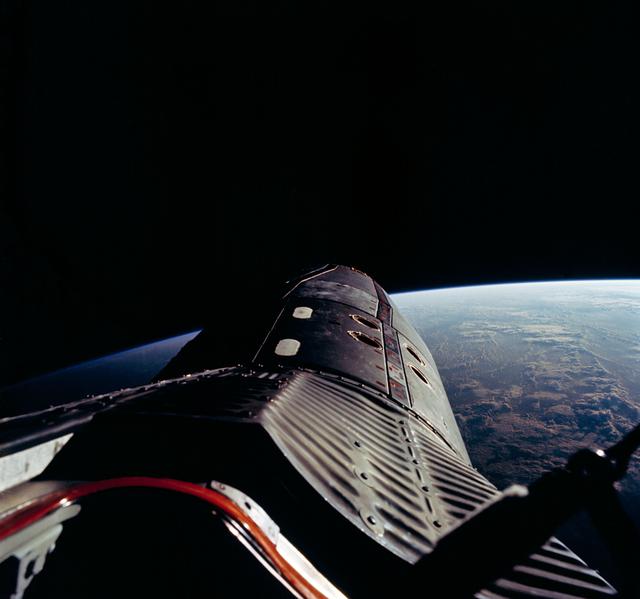
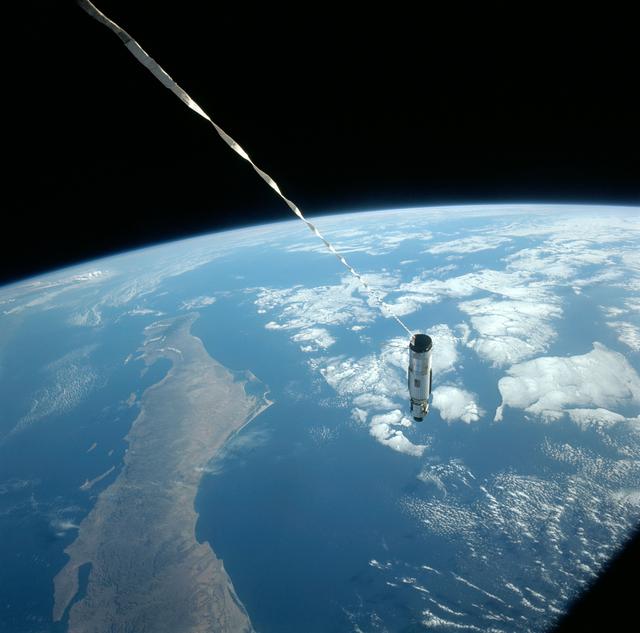
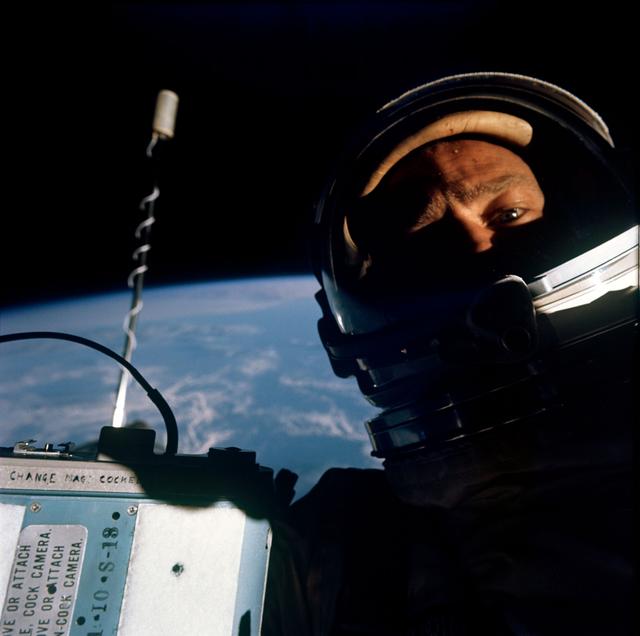
Gemini 12 closed the program by solving its hardest unsolved problem: the spacewalk. Jim Lovell and Buzz Aldrin launched on 11 November 1966, rendezvoused with and docked their Agena, and then Aldrin — who had studied the problem so closely he was nicknamed 'Dr. Rendezvous' — stepped outside. Where earlier spacewalkers had exhausted themselves fighting to stay in place, Aldrin had handrails, tethers and foot restraints, and had rehearsed every task underwater in a tank that simulated weightlessness. Across three EVAs totalling five and a half hours he worked calmly and methodically, proving that an astronaut could do real work outside a spacecraft. It was the last piece Apollo needed. When Gemini 12 splashed down on 15 November, the program had, in twenty months, demonstrated every technique the Moon landings would require — and Aldrin would go on to be the second man to walk on the Moon.
- 1966Gemini 12 launchesLaunch
Lovell and Aldrin fly the program's final mission — the spacewalk problem still unsolved.
With handrails, foot restraints and underwater training, Aldrin works calmly outside for 5.5 hours across three EVAs — proving useful work in the void is possible.
- 1966Splashdown — Gemini completeMission end
After 59 orbits the program closes, every technique Apollo needs now demonstrated. Recovered by USS Wasp.
Images

Images from open archives · credit shown per image