
Gemini 3
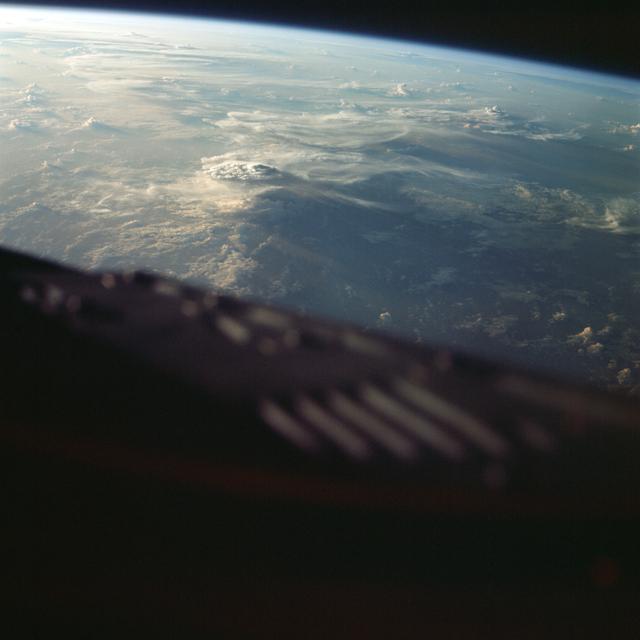
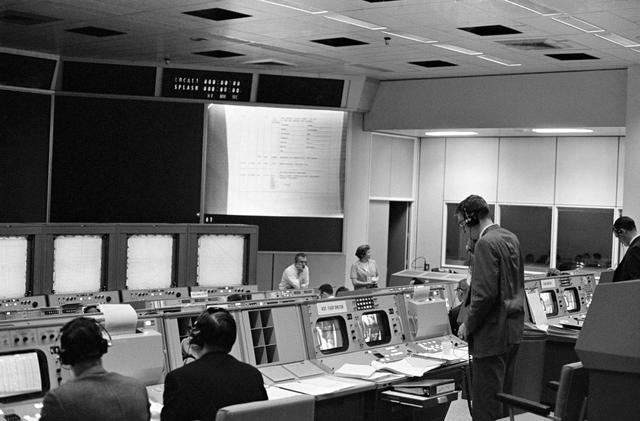
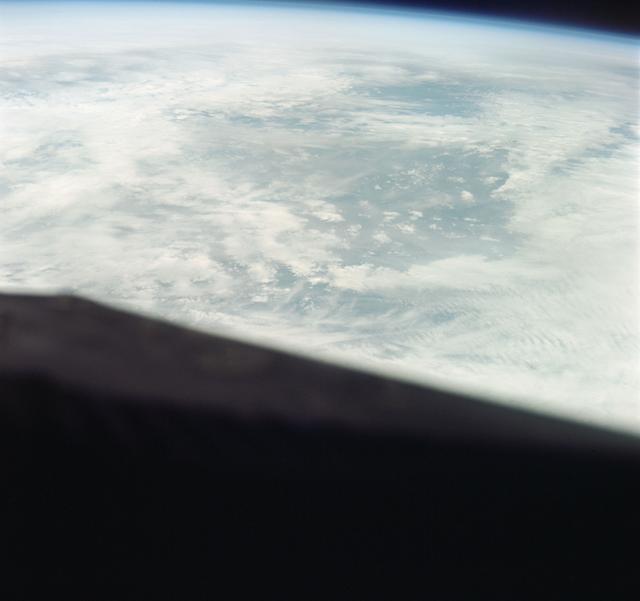
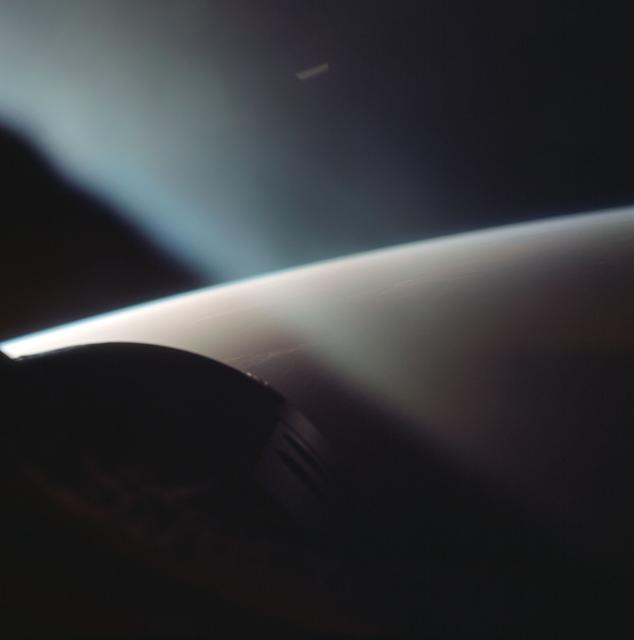
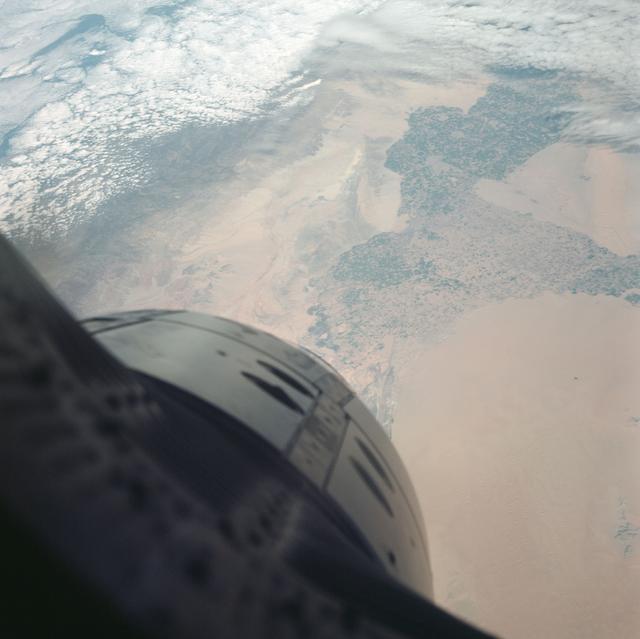
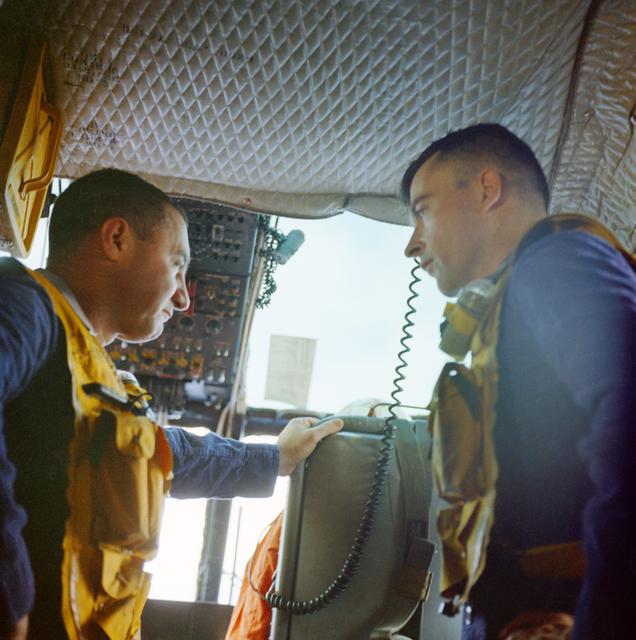
Gemini 3 — the first crewed Gemini flight (March 1965). Gus Grissom and John Young fired the thrusters to change their own orbit, a first for a crewed spacecraft and a manoeuvre every Moon mission would need.
Key facts
Mission & specifications
Mission
- Operator
- NASA
- Launched
- March 23, 1965
- Status
- Completed
Trajectory
- Distance from the Sun
- 0.996 AU
- Computed from the cached position
- Distance from Earth
- 1,048,360 km
- Computed from cached positions
- Distance from Venus
- 0.277 AU
- Computed from cached positions
Mission
Gemini 3 opened the crewed phase of the program that would make Apollo possible. Launched on 23 March 1965 with Gus Grissom — the first person to fly in space twice — and rookie John Young, it was a short three-orbit shakedown of the new two-seat spacecraft. Its one great first came when Grissom fired the thrusters to change the shape of the orbit: no crew had ever manoeuvred their craft from one orbit to another, and it was the ability every rendezvous and every return from the Moon would depend on. Young, meanwhile, had quietly smuggled a corned-beef sandwich aboard, an escapade that later reached Congress; he would go on to walk on the Moon and command the first Space Shuttle. Grissom nicknamed the capsule 'Molly Brown' — unsinkable — a wry nod to the Mercury capsule that had sunk under him after splashdown.
- 1965Gemini 3 launchesLaunch
Grissom and Young fly the first crewed Gemini — a three-orbit shakedown of the new two-seat craft.
Grissom fires the thrusters to change the orbit's shape — no crew had ever manoeuvred from one orbit to another.
- 1965SplashdownMission end
Down in the Atlantic after under five hours; the capsule 'Molly Brown' is recovered by USS Intrepid.
Images

Images from open archives · credit shown per image