
Sigma 7
Sigma 7 — Wally Schirra's six-orbit engineering flight (October 1962), a textbook precision mission that conserved fuel and splashed down within sight of its recovery ship, proving Mercury ready for a long flight.
Key facts
Mission & specifications
Mission
- Operator
- NASA
- Launched
- October 3, 1962
- Status
- Completed
Trajectory
- Distance from the Sun
- 0.998 AU
- Computed from the cached position
- Distance from Earth
- 1,966,475 km
- Computed from cached positions
- Distance from Venus
- 0.286 AU
- Computed from cached positions
Mission
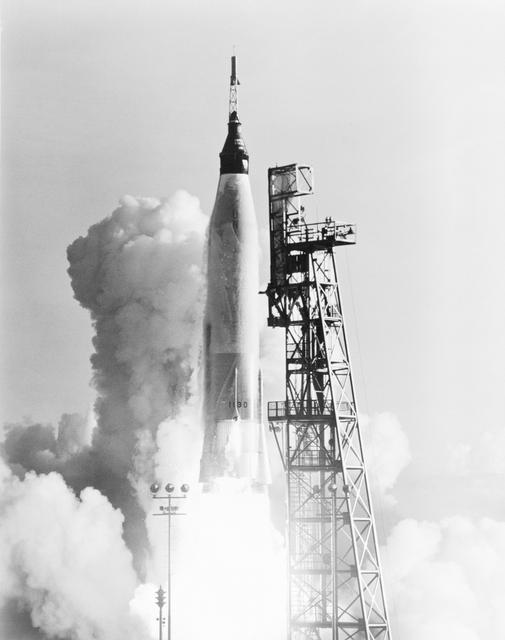
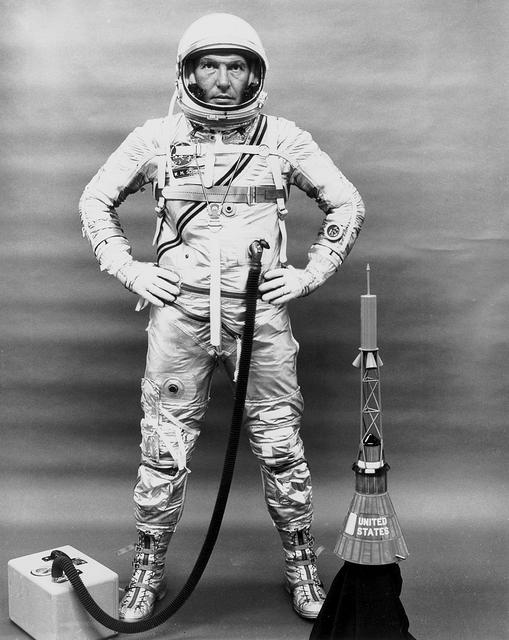
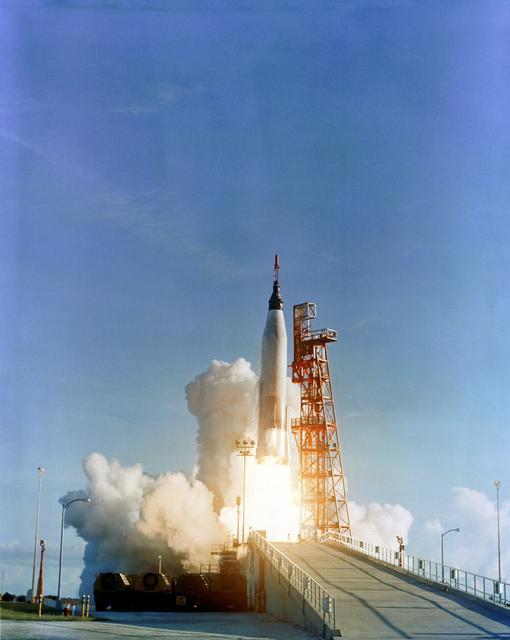
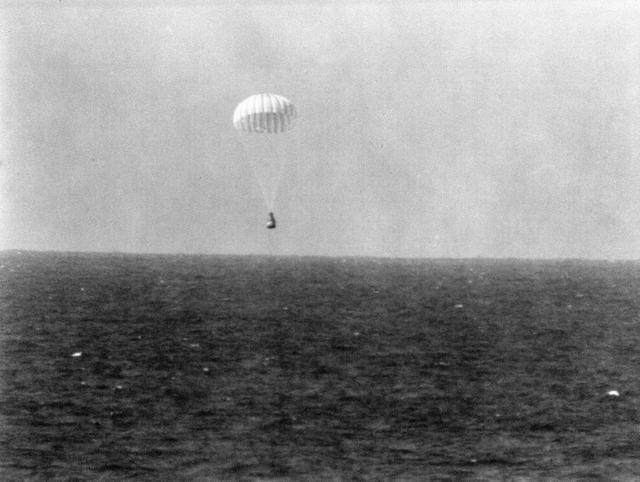
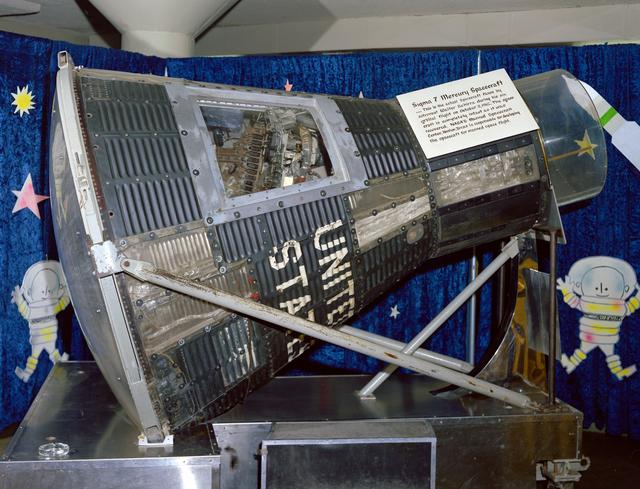
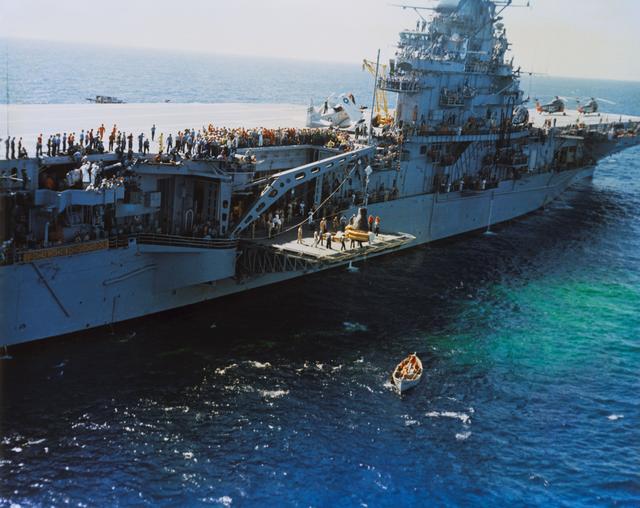
Sigma 7 was the flight that proved Mercury was ready for the long haul. Where earlier missions had been packed with experiments, Wally Schirra flew a deliberately disciplined engineering mission on 3 October 1962 — six orbits with one overriding goal: to husband the spacecraft's systems and, above all, its scarce attitude fuel. Schirra spent long stretches drifting with the thrusters off, letting the capsule coast to conserve propellant, and it worked so well that he landed with far more fuel in reserve than anyone had expected. It was the first American flight to splash down in the Pacific, and Sigma 7 came down so precisely that it landed in full view of the recovery carrier Kearsarge. The Greek letter sigma stood for engineering summation; Schirra called it a 'textbook flight', and its flawless economy cleared the way for Gordon Cooper's day-long finale.
- 1962Sigma 7 launchesLaunch
Wally Schirra flies a disciplined six-orbit engineering mission focused on conserving fuel.
Long drifting stretches conserve so much propellant that Schirra lands with fuel to spare — proof Mercury can go long.
- 1962First Pacific splashdownMission end
Sigma 7 comes down in full view of the carrier Kearsarge, the first US flight recovered in the Pacific.
Images

Images from open archives · credit shown per image