
Skylab 2
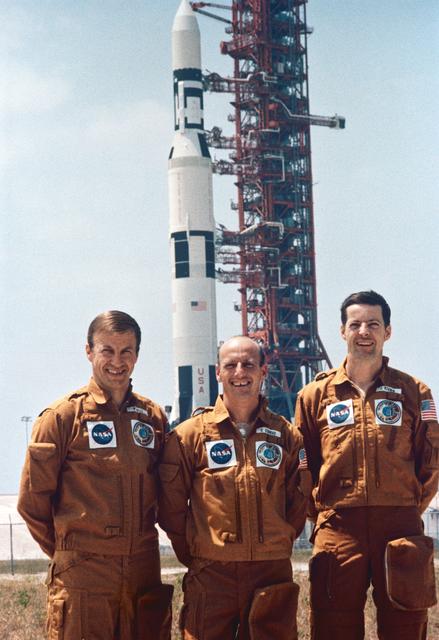
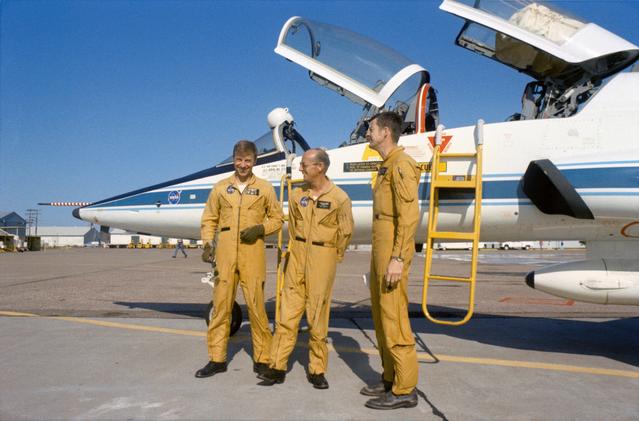
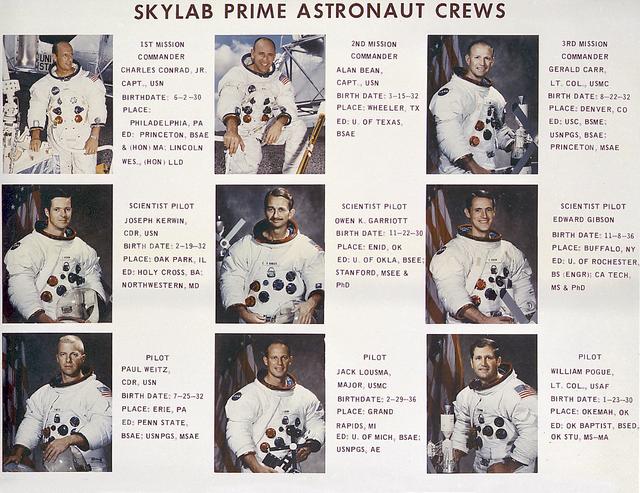
Skylab 2 — Pete Conrad, Joseph Kerwin and Paul Weitz (May-June 1973) flew the first crew to Skylab, saved the crippled station with an improvised sunshade and a hand-freed solar wing, and set a 28-day endurance record — the longest human flight yet.
Key facts
Mission & specifications
Mission
- Operator
- NASA
- Launched
- May 25, 1973
- Status
- Completed
Trajectory
- Distance from the Sun
- 0.998 AU
- Computed from the cached position
- Distance from Earth
- 7,900,275 km
- Computed from cached positions
- Distance from Venus
- 0.276 AU
- Computed from cached positions
Mission
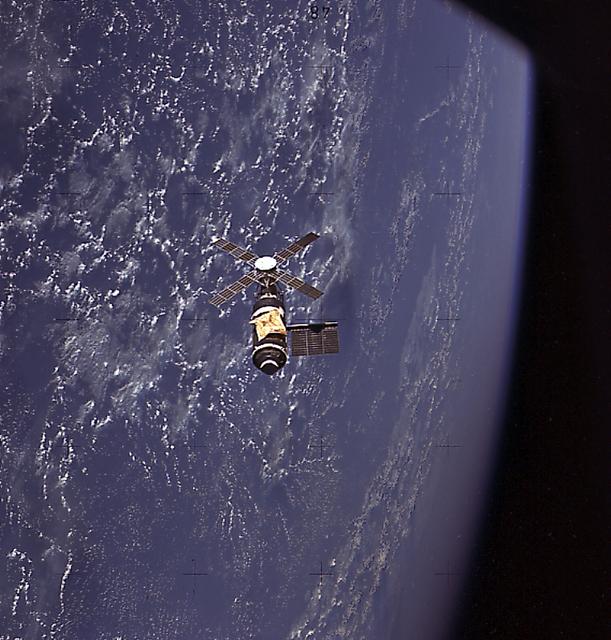
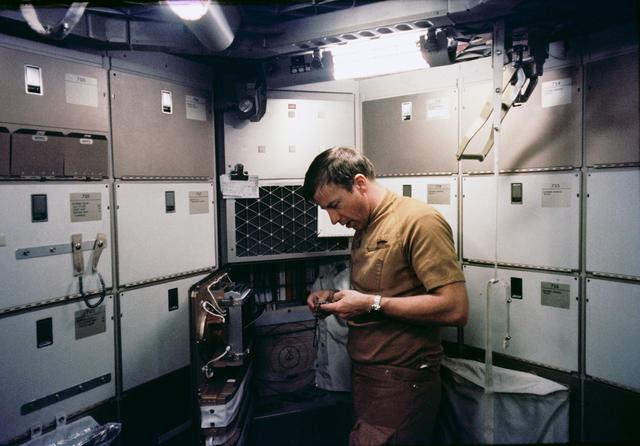
Skylab 2 was a rescue mission before it was anything else. When America's first space station reached orbit in May 1973 it was already crippled: a shield had torn away at launch, taking a main solar wing with it and leaving Skylab overheating and starved of power. Eleven days later Pete Conrad, Joseph Kerwin and Paul Weitz flew up to save it. They pushed a parasol-like sunshade out through a small airlock to cool the station, and on a later spacewalk Conrad and Kerwin wrestled the jammed solar wing free — Conrad heaving on a cable until the panel snapped open and the power came back. With Skylab habitable, the crew settled into 28 days of solar astronomy, Earth observation and medical tests — the longest anyone had yet flown, and proof that astronauts could not only live in orbit for weeks but repair a crippled spacecraft by hand. They came home on 22 June 1973 having turned a near-total loss into the foundation of every long mission that followed.
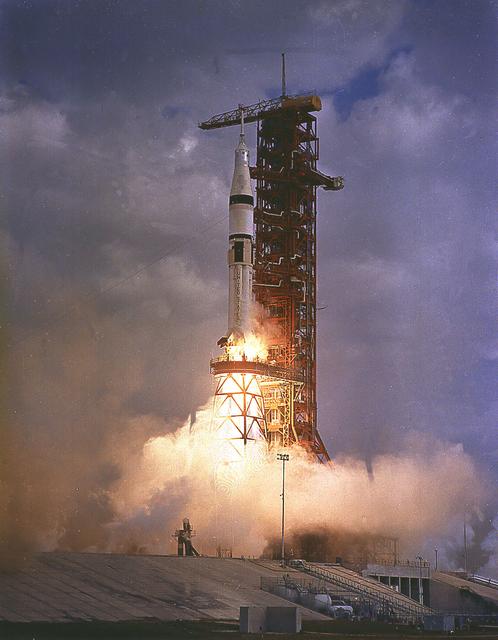
- 1973Skylab 2 launchesLaunch
Conrad, Kerwin and Weitz fly up to save a station crippled at launch, and become its first crew.
After deploying a sunshade to cool Skylab, Conrad and Kerwin spacewalk out and wrench the stuck solar wing open, restoring full power.
- 1973A 28-day recordMission end
After 28 days of science aboard the rescued station — the longest human flight yet — the crew splash down.
Images

Images from open archives · credit shown per image