
Skylab 4
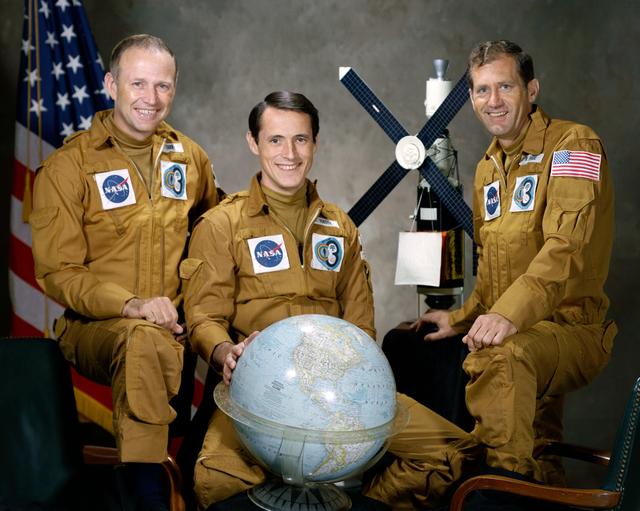
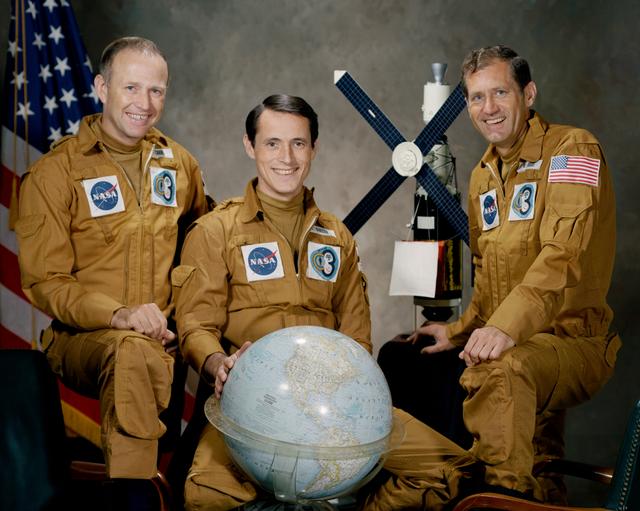
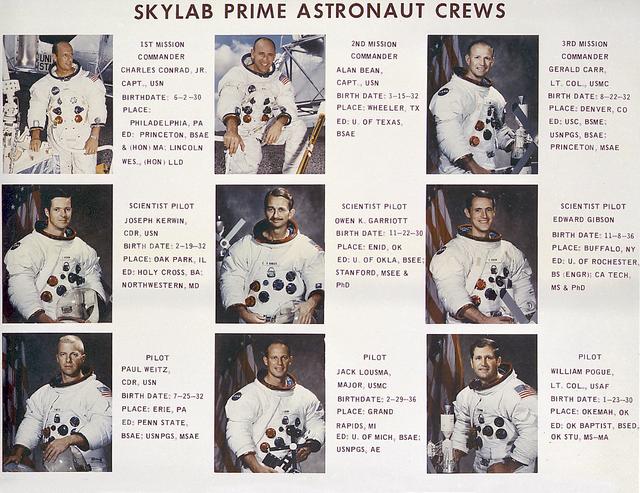
Skylab 4 — Gerald Carr, Edward Gibson and William Pogue (November 1973-February 1974) flew the last and longest Skylab mission, 84 days, observing Comet Kohoutek; their record stood as the US endurance mark for over two decades.
Key facts
Mission & specifications
Mission
- Operator
- NASA
- Launched
- November 16, 1973
- Status
- Completed
Trajectory
- Distance from the Sun
- 0.996 AU
- Computed from the cached position
- Distance from Earth
- 1,286,151 km
- Computed from cached positions
- Distance from Venus
- 0.277 AU
- Computed from cached positions
Mission
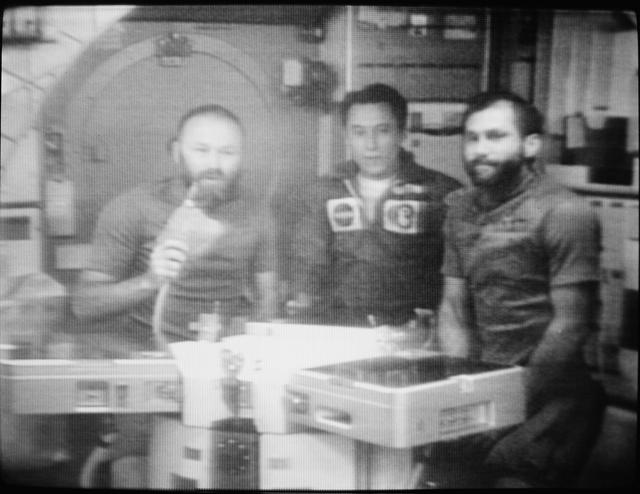
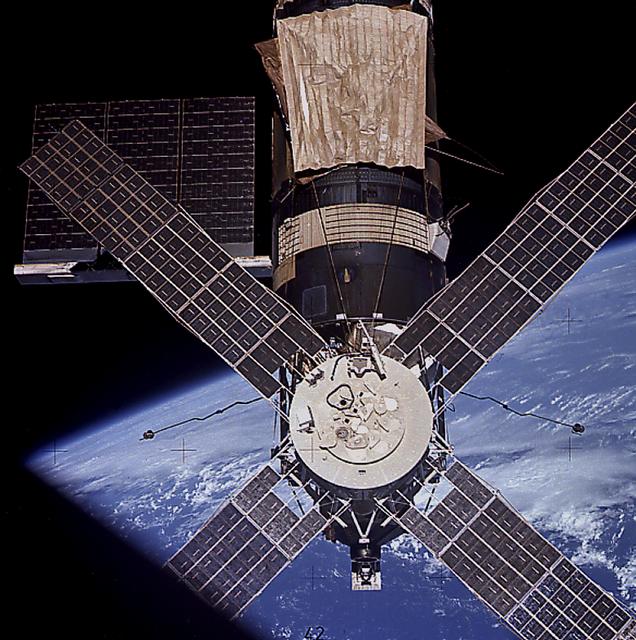
Skylab 4 was the longest, last and hardest of the Skylab flights. Gerald Carr, Edward Gibson and William Pogue — all first-time fliers — launched on 16 November 1973 for what became an 84-day marathon, nearly three months in orbit. Overloaded with tasks from the start and worn down by the pace, the crew fell behind and, after a frank exchange with the ground, won a lighter and more sustainable schedule — an early, much-cited lesson in how much sustained work is reasonable to ask of people living in space. They watched Comet Kohoutek round the Sun, later filmed the birth of a solar flare, and gathered a vast harvest of solar and Earth-observation data. When they landed on 8 February 1974, their 84 days stood as the longest human spaceflight yet, and as the United States endurance record it would hold for more than two decades — the climax of the run that began with Vostok 5 and a five-year-old question about whether people could survive in orbit at all.
- 1973Skylab 4 launchesLaunch
Carr, Gibson and Pogue — all rookies — begin the last and longest Skylab mission.
After renegotiating an overloaded workload with the ground, the crew observe Comet Kohoutek and, later, film the birth of a solar flare.
- 197484 days — the US record for a generationMission end
The crew land after 84 days, the longest human flight yet and the US endurance record for more than two decades.
Images

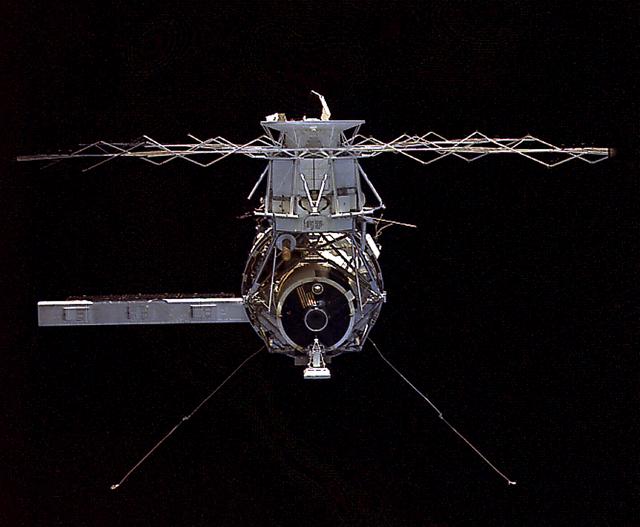
![SKYLAB (SL)-4 - CREW TRAINING (ORBITAL WORKSHOP [OWS]) - JSC](https://images-assets.nasa.gov/image/S73-32840/S73-32840~thumb.jpg)
Images from open archives · credit shown per image